Weekly Reset for the Unmotivated: A Lazy Person's Guide
How can I create a reset routine that requires minimal effort and willpower?
On this page

Start by normalizing the struggle of feeling unmotivated on a Sunday evening. Introduce the 'lazy reset' as a set of micro-actions that bypass your brain's resistance by being so easy they're almost laughable—no deep cleaning, no elaborate meal prep, just tiny wins that signal the brain the week is under control.
Why the Lazy Reset Works (And Why You Should Embrace It)
The fastest way to a reset routine that needs almost no willpower is to stop fighting your brain and start designing around it. A lazy reset doesn't mean doing less; it means doing the smallest thing that changes how your home—and your mind—feels. You don't need a spotless house. You need one zone that says, "I've got this."
The real obstacle is decision fatigue, not laziness. Every undone task you see silently demands micro-decisions: where to begin, what tool to grab, how long it'll take. That cognitive load adds up until even simple tasks feel crushingly heavy. A lazy reset short-circuits this by stripping out choices. You pick one surface. You set a short timer. You clear it. That's it. No lengthy to-do list, no master plan—just one concrete action.
That one action is more powerful than it looks. Completing a trivial task releases a small hit of dopamine, the brain chemical that reinforces habits. You've just trained your brain that resetting feels rewarding, not draining. Momentum builds from that micro-win, making the next tiny step feel easier. You're not grinding through a marathon clean; you're stacking effortless victories that carry you forward.
A cleared zone also acts as a mental signal. Clutter is visual noise that raises stress. When you clear just the kitchen island or the entryway bench, that open space tells your brain: "Things are under control." That single anchor of order quiets mental chatter and frees up energy for the rest of the week.
This is why embracing the lazy reset is so effective. It doesn't depend on motivation, which is fleeting. It works by making the reset so frictionless you'll do it even when you're exhausted and uninspired. That's not laziness—it's working with your brain's wiring to keep your home functional without the struggle.
The 10-Minute Reset: Your Bare Minimum

Everything hinges on a single, non-negotiable move: set a timer for ten minutes and do one thing. Not a list. Not a plan. One thing. The timer is your guardrail against the perfectionist urge to tweak and reorganize until the task bleeds into an hour. When the alarm rings, you stop, no matter what.
Pick one room or one flat surface — the kitchen counters, the coffee table, the bathroom sink — and stay there. The only rule is zero setup. If you have to move furniture, unearth supplies, or even think about what you need, skip it. This is about wiping down a countertop, tossing clutter into a basket, or sweeping a floor that’s already more crumb than tile. The goal isn’t clean; it’s noticeably better.
Still staring at the mess? Use the 5-4-3-2-1 countdown. The second you hit one, you stand up and move. It overrides that paralysis with a hard-wired launch sequence, no permission slip required. That first action is the whole trick — momentum is all you’re after.
Make Your Bed (Yes, Just That)
Pulling up the covers—a task that takes under two minutes—delivers the highest reward-to-effort ratio of any reset habit. A made bed instantly anchors the bedroom, making the whole room feel pulled together even if there's clutter elsewhere. That single completed act sets a 'done' tone that carries into the rest of your day.
Clear Your Kitchen Sink (The Ultimate Low-Effort Win)
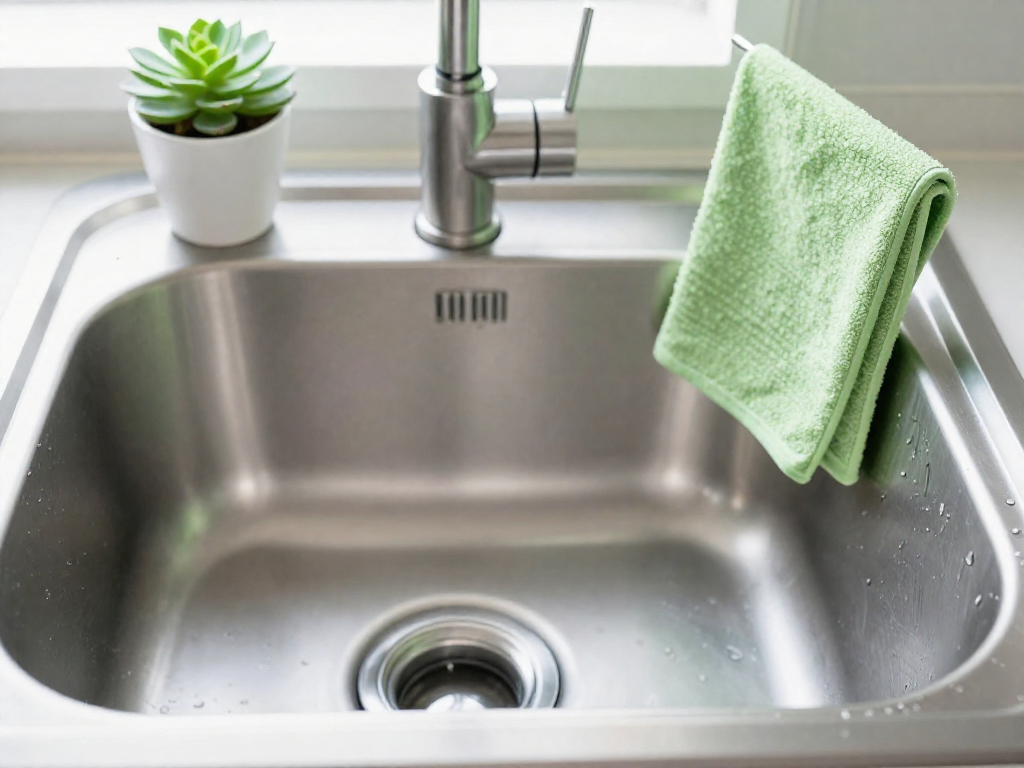
The kitchen sink is the visual command center of your home—when it's full, the entire room feels trashed. Dirty dishes spilling onto the counter signal chaos, even if the rest of the house is spotless. An empty sink, on the other hand, instantly makes the kitchen look 80% cleaner with zero scrubbing. That's the power move.
Here's the laziest possible method: don't wash a single dish. Just rinse everything under hot water for five seconds—enough to knock off the chunks and sauce—then stack it neatly on one side of the sink or in a dishpan. Plates go together, bowls together, silverware corralled in a cup. The goal isn't clean; it's contained. You've transformed a disaster zone into a tidy holding pattern in under two minutes.
If you're feeling fancy, grab a single disposable wipe and give the empty basin a quick swipe. It takes ten seconds and leaves that satisfying streak-free shine. But honestly? The wipe is optional. The real win is the visual relief of an empty sink staring back at you. Do this every evening, and you'll start every morning with a kitchen that says, "I've got this"—even if you haven't loaded the dishwasher in three days.
Five-Minute Tidy: Pick Up and Put Away
This is the part of the reset where your home goes from chaotic to calm in about the time it takes to heat up leftovers. Grab a laundry basket—you’ll need it only on the roughest days—and walk through every room that gets heavy traffic: the living room, kitchen, entryway. Your one job: pick up anything that doesn’t belong and drop it in its designated home. Not sorted, not organized, just home. Remote goes in the media console. Shoes in the closet. Mail on the desk. Done.
The real engine here is the hands-full rule: never leave a room empty-handed. If you’re heading from the couch to the kitchen, look around for one thing that belongs nearer to your destination and take it with you. This isn’t about deep cleaning; it’s about reducing visual noise so the space feels reset. The rule makes it automatic—no mental list, no staring at a mess wondering where to start.
On days when even that feels like too much, the laundry basket trick turns it into a two-step victory. Walk through each zone, toss every stray item into the basket, and stash the whole thing in a closet or corner. Five minutes, max. You’ll be shocked how much lighter the room feels when the surfaces are clear, and you can deal with the basket later (or not).
The Lazy Meal Reset: No Cooking Required
The secret to a weekly meal reset isn’t cooking—it’s a five-minute inventory. Open the fridge, toss anything fuzzy, and mentally log what’s still edible. That quick scan prevents the Thursday surprise of a science experiment in Tupperware. Next, set out tomorrow’s breakfast on the counter: a box of cereal, a sleeve of granola bars, a loaf of bread. It’s one less decision when you’re bleary-eyed at 6 a.m. Finally, skip the store entirely. While you’re still in the kitchen, tap out a grocery delivery order. Even if it’s just milk, eggs, and a bag of apples, you’ve armored the week ahead. No chopping, no simmering, no martyrdom. This isn’t meal prep—it’s a lifeline for people who’d rather do anything else.
Reward Yourself (Because You Earned It)
After you’ve cleared the sink or finished a five-minute tidy, give yourself a tiny reward you actually want. A hot shower, ten minutes of guilt-free scrolling, a cold drink. Attach it to just one completed task, not the whole list. That small dopamine hit reinforces the habit, making next week’s reset feel almost automatic. No shame in bribing yourself.
See also
- batch cooking shortcuts for busy families
- low-effort chore chart for dual-income households
- 5-minute cleaning hacks that actually work
Related articles

The Friday Night Cleanup: Starting the Weekend with a Clear Slate
Should I do a reset on Friday night instead of Sunday? Discover how a 30-minute family tidy on Friday can reclaim your weekend.
Jul 31, 2026 · 6 min read

Meal Planning as Part of Your Reset: A 5-Step Method
How can I integrate meal planning seamlessly into my weekly reset?
Jul 31, 2026 · 11 min read

Digital Reset: How to Batch Your Family's Weekly Admin
How do I organize and batch digital tasks (bills, emails, school forms) into a weekly routine?
Jul 31, 2026 · 5 min read