Kid-Approved Freezer Stash: 15 Meals That Freeze Perfectly
Which batch-cooked meals freeze well and still taste great to kids?
On this page
Hook with the chaos of weeknight dinners and the dream of a freezer full of meals kids actually eat. Use a relatable scenario of a busy parent pulling out a frozen dish only to have it rejected by a picky eater.
Why Most 'Kid-Friendly' Freezer Meals Fail (And How to Fix It)
You’ve been there: you pull a lovingly prepped meal from the freezer, reheat it, and your kid takes one bite before declaring it “yucky.” Most freezer-meal disappointments boil down to two things: texture goes weird (think mushy pasta or curdled dairy) and flavor dulls after a deep chill.
The good news? There’s a reason the meals in this list stay reliably kid-approved — each one was chosen because it survives the freeze-thaw cycle without turning slimy, separating, or losing its appeal. Think hearty lasagna that doesn’t ooze water, or meatballs that still taste like you just simmered them. You won’t find delicate egg dishes or crunchy toppings that wilt in the freezer.
Yes, batch-cooked freezer meals can absolutely still taste great to your kids — you just have to start with the right ones. The 15 recipes ahead are built for exactly that.
The Science of Kid-Friendly Freezer Cooking: What Freezes Well and Why
Texture is the single biggest make‑or‑break factor for kid‑friendly freezer meals. A picky eater will reject a dish that turns mushy, grainy, or watery long before they notice a shift in flavor. That’s why smart ingredient selection and a few simple prep tweaks matter more than any clever recipe. If you get the texture right, the rest is gravy.
Choose Freezer‑Resistant Starches
Starches are the backbone of most kid meals, but not all starches handle the cold equally. Waxy potatoes (like red or Yukon Gold) hold their shape better than mealy russets, which turn dry and mealy after freezing. Small pasta shapes—ditalini, elbows, or mini shells—fare better than long noodles, because they’re less likely to clump and overcook. Cook pasta just shy of al‑dente; it will continue softening as it sits in sauce and during reheating. For rice, a quick rinse before cooking removes excess surface starch that can turn gummy after freezing. Parboiled or converted rice is even more forgiving, staying separate and firm through the freeze‑thaw cycle.
Handle Vegetables With Care
High‑moisture vegetables like zucchini, summer squash, and eggplant are the enemy of a good frozen meal. In large chunks they collapse into watery blobs that kids will pick around. The fix: grate them finely for sauces and meatloaves, or roast them until deeply caramelized before freezing—this drives off moisture and concentrates flavor. Hearty veggies like carrots, peas, corn, and green beans freeze beautifully and add the pop of color kids recognize. Just cut any root vegetable into uniform, bite‑sized pieces so they reheat evenly.
Always Do a Thaw Test
Before you batch‑cook a new recipe and fill your freezer with a dozen servings, reheat a single portion from frozen and taste it yourself. Does the texture hold up? Does the sauce break? Would a tired seven‑year‑old eat it on a Wednesday night? A thaw test catches surprises—like a cheese sauce that turns grainy or a soup that loses its spark—while you still have time to tweak the recipe. No amount of freezer theory beats a 10‑minute reality check.
Let Flavor Melding Work For You
Soups, stews, braises, and tomato‑based sauces often taste even better after a stint in the freezer. The long, slow rest allows flavors to marry deeply, mellowing sharp notes and rounding out spices. This is a gift for kid palates: that chili you froze three weeks ago likely tastes smoother and less assertive than the day you made it. On the other hand, delicate fresh herbs—basil, parsley, cilantro—fade fast. Add them after reheating, right before serving, to bring back brightness. Spice blends and dried herbs hold their ground, so layer those in during cooking.
Adopt a Modular Approach
Freezing entire assembled meals is convenient, but it locks you into a single dish and often compromises texture. A modular system—freezing cooked proteins, starches, and sauces separately—gives you the flexibility to build different plates from the same stash. Plain meatballs, a container of seasoned rice, a bag of tomato sauce, and a bag of steamed green beans can become “deconstructed meatballs,” a rice bowl, or a quick soup with broth. It also prevents sogginess: you can reheat each component in the way that suits it best—rice steamed with a splash of water, meatballs warmed in sauce, veggies quickly sautéed. This approach feels slightly more effort when you’re portioning, but it pays back tenfold in variety and texture the moment you open the freezer.
Dodge the Biggest Pitfalls
Even solid recipes can go wrong if you overlook a few freezer chemistry basics. Here’s what to avoid:
- Dairy‑based sauces without a stabilizer will break, leaving you with a gritty, separated mess. Use a roux (flour and fat) or a little cornstarch slurry to bind the sauce before it goes into the freezer. Cream cheese and evaporated milk also hold up better than plain milk or cream.
- Raw potatoes turn unappetizingly dark and develop a weird, grainy texture. You must at least par‑cook or blanch them—ideally, fully cook them in a stew or roast them first.
- Large chunks of watery veggies (zucchini, cucumber, lettuce) are a recipe for a puddle. Shred, purée, or cook them down until most of their liquid evaporates.
- Fully cooked delicate pasta layers in a casserole? By the time you reheat, they’ll be mush. A minute or two less in the boiling water than the box says will save the final dish.
Treat these principles as a checklist when you pick or adapt a recipe, and you’ll build a freezer stash that actually gets eaten—without bargaining, bribes, or the dreaded stand‑by box of mac and cheese.
15 Kid-Approved Freezer Meals That Actually Work
These aren't just random recipes that happen to freeze—they're meals engineered for texture, flavor stability, and kid appeal after a stint in the deep freeze. Grouped by category, each one gets straight to why it works and how to reheat it for that just-made taste.
Comfort Pastas & Casseroles
-
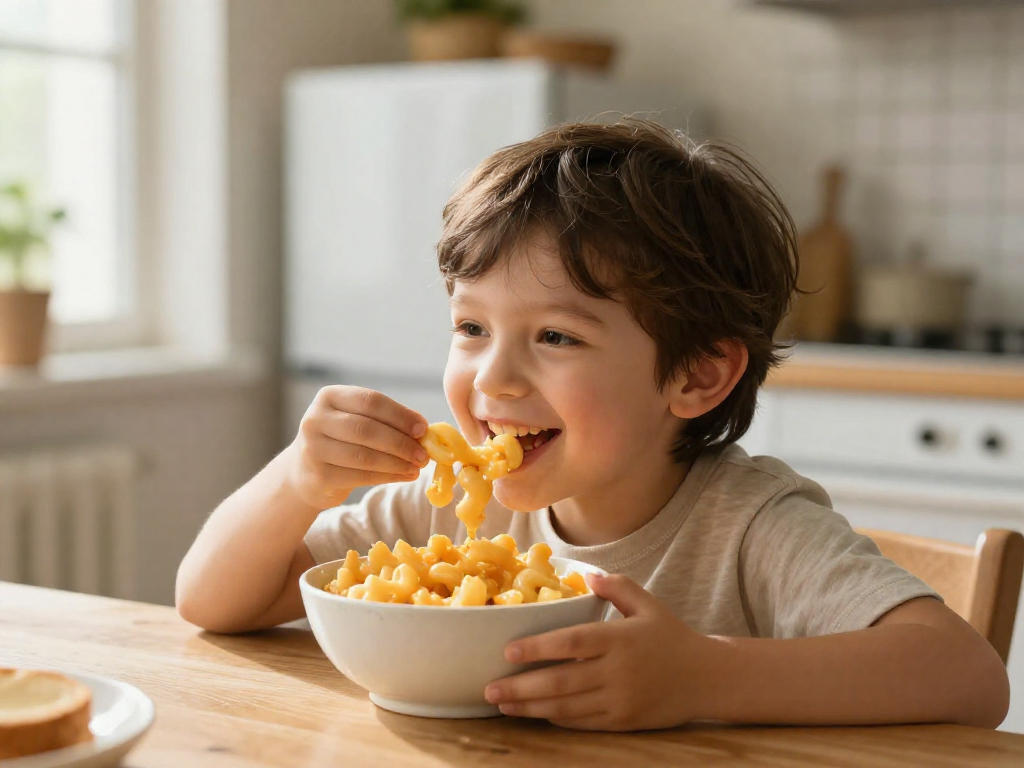
Mac & Cheese Cups — Bake in muffin tins for built-in portion control and crispy edges. Use a sauce made with Velveeta or a touch of sodium citrate; it stays silky instead of turning grainy after freezing. Reheat from frozen at 350°F for 15 minutes, or microwave a couple of cups for 90 seconds when hangry kids are circling.
-
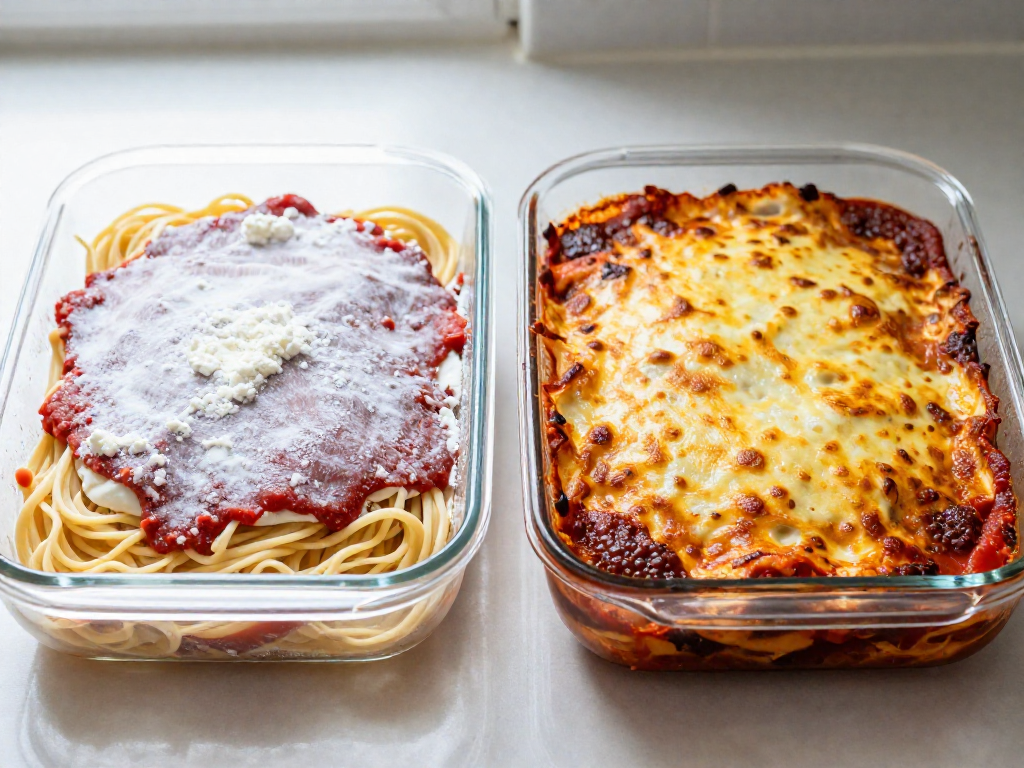
Baked Ziti — This one’s a champ because the ricotta and melted mozzarella freeze into a single, scoopable slab rather than separating. Slightly undercook the pasta (two minutes less than the box says) so it doesn’t turn to mush later. Thaw overnight, then bake covered at 375°F until bubbly. If you’re in a rush, you can go straight from freezer to oven—just add 20 minutes and keep it covered for the first half.
-
Butternut Squash Mac & Cheese — The squash purée acts as a natural emulsifier, preventing the cheese sauce from splitting when reheated. Kids don’t even notice the vegetable, and the sweetness balances the sharp cheddar. Freeze in individual ramekins; reheat in the microwave or a toaster oven until the center hits 165°F.
-
Cheesy Chicken & Broccoli Rice Casserole — The secret is a condensed soup base (cream of chicken or mushroom) that stays creamy rather than weeping water. Blanch the broccoli before mixing it in to preserve its green color and slight bite. Defrost in the fridge, then bake until golden on top—kids will fight over the crispy cheese edges.
Savory Handhelds & Bites
-
Mini Turkey Meatballs — These freeze beautifully raw or cooked. Bake them first for convenience, then flash-freeze on a sheet pan before bagging. The gentle flavor of turkey lets you sneak in finely grated zucchini or carrot. Reheat directly in simmering sauce for ten minutes, or zap a handful for a quick protein hit.
-
Chicken Nuggets (Baked, Not Fried) — Breaded with panko and parmesan and baked until crisp, they reheat in the oven or air fryer without turning soggy. Freeze them fully cooked on a tray, then stash in a zip-top bag. To reheat, arrange on a wire rack over a baking sheet at 400°F for 8–10 minutes—this keeps the bottoms from steaming.
-
Quesadilla Pockets — Assemble bean-and-cheese or chicken-and-cheese quesadillas, cook them just until the tortilla is lightly golden (not fully crisp), then cut into triangles and freeze. They go straight from freezer to a dry skillet over medium heat, where the cheese remelts and the tortilla finishes crisping. Way better than a store-bought frozen snack.
-
Pizza Rolls — Roll up pizza dough with sauce, mozzarella, and pepperoni, slice into pinwheels, and freeze unbaked. They puff up and brown beautifully when baked from frozen at 425°F. No more soggy microwave rolls—these have actual crust texture. Keep a bag in the freezer for last-minute playdates.
-
Ham & Cheese Stuffed Pretzel Bites — The dough freezes like a dream, and the baking soda bath before freezing locks in that chewy pretzel skin. Reheat in the oven for 6–8 minutes; my kids think they’re fancy snacks but they’re just fuel with hidden whole wheat flour.
One-Pot Soups & Stews
-
Chicken & Rice Soup — Here’s the trick: cook the rice separately and add it when reheating, because rice in frozen soup absorbs liquid and turns to porridge. Freeze the soup base (broth, shredded chicken, carrots, celery) in wide-mouth jars or flat bags. When you’re ready, heat the soup, stir in pre-cooked rice, and serve. For a creamy version, add a splash of whole milk at the end instead of freezing dairy.
-
Veggie-Loaded Meatloaf Muffins — Baked in muffin tins, these individual meatloaves freeze fast and reheat evenly. The mix of ground beef, shredded carrots, spinach, and breadcrumbs stays moist thanks to a ketchup glaze that caramelizes again in the oven. Reheat from frozen at 375°F for 15–20 minutes, or microwave for two minutes for a quick lunch.
-
Lentil Spaghetti Sauce — Red lentils melt into a tomato sauce, thickening it naturally and boosting fiber without any detectable “health food” taste. Freeze the sauce in quart bags laid flat. Boil pasta fresh, then stir the reheated sauce right into the pot. It’s one of the few vegetarian mains my pickiest kid devours without complaint.
Breakfast & Snacks (Because Dinner Isn’t the Only Meal)
-
Smoothie Packs — Blend hardly anything. Just portion spinach, banana slices, frozen mango, and a spoonful of nut butter into baggies. In the morning, dump a pack into the blender with milk or yogurt, whiz, and pour. No measuring, no morning brain required. Kids like the bright color and never spot the greens.
-
Freezer-Friendly Pancake Dippers — Make a batch of whole-grain pancakes the size of a playing card, cool them completely, and freeze with parchment between layers. Reheat in the toaster for a crispy outside and soft middle. Pair with a tiny cup of maple syrup for dipping—the dipper format makes breakfast a hands-on game, not a chore.
-
Oatmeal Cups — Bake steel-cut oats mixed with mashed banana, egg, and a little brown sugar in silicone muffin cups. They pop out into a neat, portable puck. Freeze them on a tray, then bag. Reheat for 45 seconds in the microwave; they’re a warm, filling handheld that beats a granola bar.
Every one of these has survived real-life testing in a household where freezer meals are a weeknight strategy, not a hobby. The key across all of them: think about what texture you want after reheating, and build the recipe backward from there. Flat bags for sauces, muffin tins for portions, and a little extra fat or starch to hold moisture—these are the patterns that make the difference between a meal that gets tossed and one that gets requested again.
Packaging and Reheating: Keep the Crunch, Lose the Mush
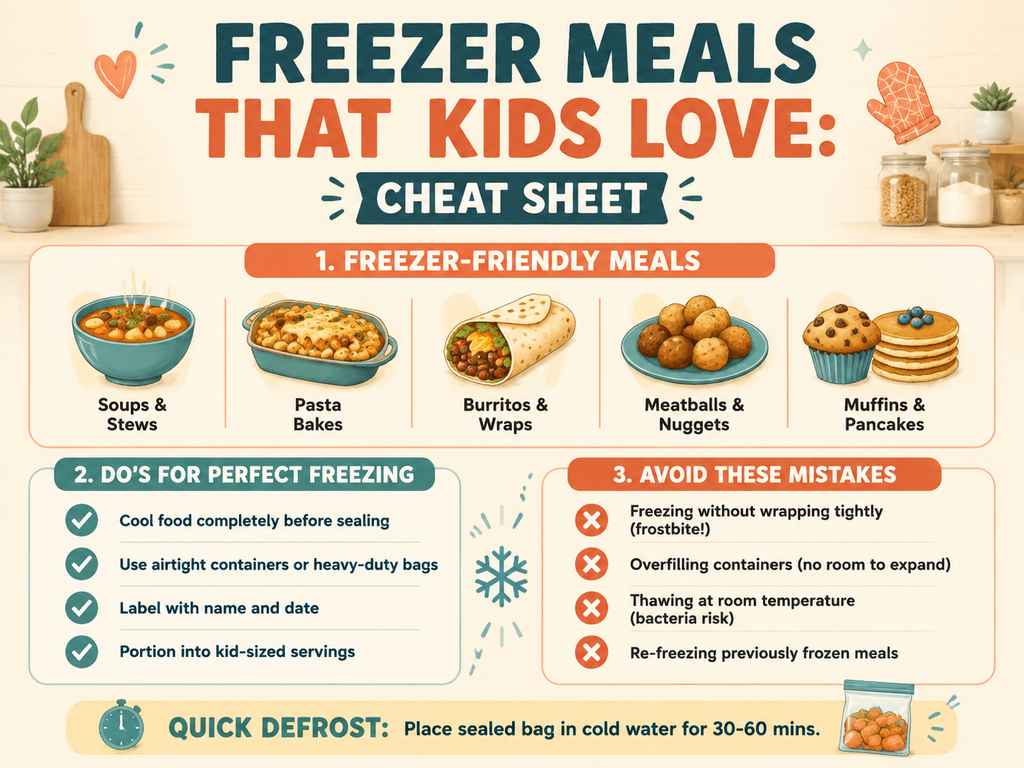
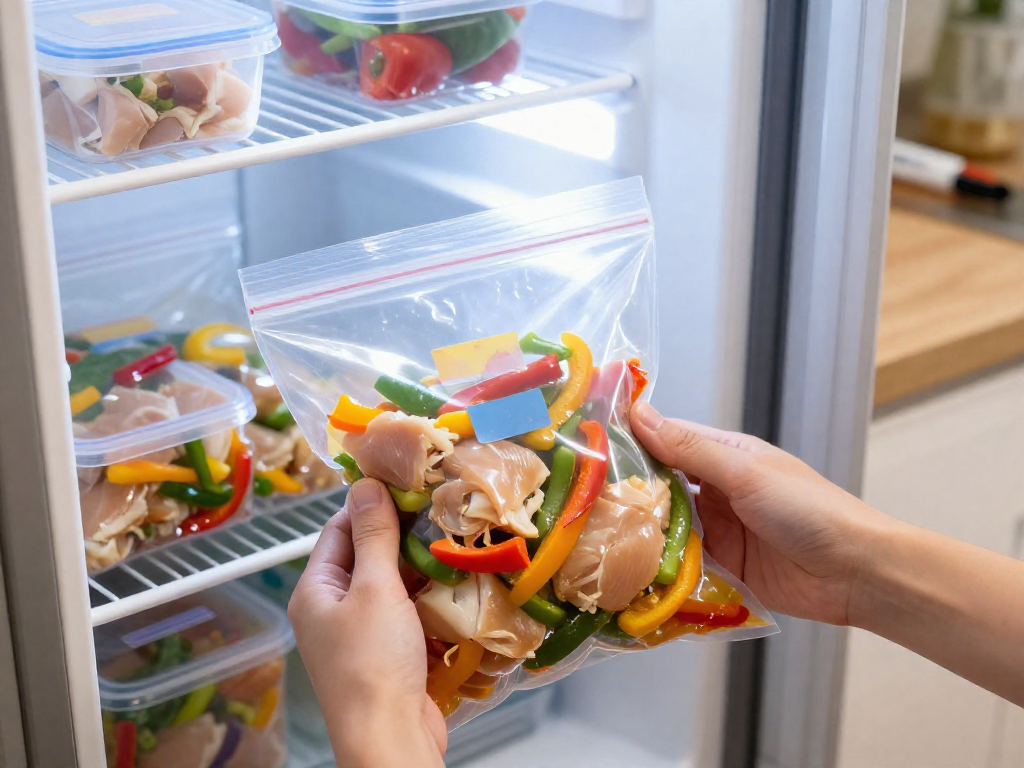
Wax paper–lined silicone muffin cups are your secret weapon for individual kid portions — they pop out clean and stack neatly. For proteins like chicken nuggets or meatballs, a vacuum sealer prevents freezer burn far better than zip-top bags. Portion everything in kid-sized servings: ½ cup for sides, 1 cup for mains. Label each container with the contents plus a reheating note — “Oven 350°F for 10 min” or “Pan-fry until crispy” — so you don’t have to remember. Reheat on the stovetop or in the oven to restore crunch; skip the microwave for anything breaded — it’s a one-way ticket to rubber.
FAQ: Your Kid-Friendly Freezer Meal Questions Answered
Got questions? Here’s what busy parents need to know to keep the freezer stash working.
Most kid-friendly freezer meals stay at peak quality for a couple of months—plenty of time to cycle through a batch before any off-flavors develop. Dairy-based dishes, like mac and cheese or creamy casseroles, freeze surprisingly well if you use full-fat dairy and undercook the pasta slightly. The sauce may look a little grainy when thawed, but a vigorous stir during reheating brings it right back together. Vegetables can be hit or miss: hearty choices like peas, carrots, corn, and blanched broccoli freeze beautifully, while watery ones (cucumbers, lettuce, raw zucchini) turn to mush. For soups and stews, toss in tender greens like spinach just before freezing—they’ll hold up fine.
No time to thaw? No problem. Almost every recipe in this batch reheats directly from frozen—just add extra time in the microwave or oven, and stir halfway through to distribute heat. And yes, double (even triple) these recipes with confidence. They’re built for batch cooking: divide into family-sized portions, label with the date, and you’ve got dinner waiting for the next chaotic Tuesday. The only real rule: cool food completely before sealing the bag or container to dodge freezer burn.
See also
- Our Ultimate Weekend Batch Cooking Routine for Dual-Income Families
- How to Get Kids Involved in Meal Prep (Without Losing Your Mind)
- Freezer Inventory System: Never Lose a Meal Again
Related articles
Stealth Health: Hidden Veggie Batch Recipes That Kids Don't Notice
How can I sneak vegetables into batch-cooked meals without detection?
Jul 31, 2026 · 5 min read
When Kids Reject Your Batch: Troubleshooting Meal Refusal
What do I do when my child won't eat the meal I prepped?
Jul 31, 2026 · 7 min read
The Flavor Bridge: How to Introduce New Foods Through Batch Cooking
How can I use batch cooking to expand my child's palate without battles?
Jul 31, 2026 · 5 min read