The Emergency Meal Stash: A Seasonal 'Oh Crap' Kit for Busy Weeks
How do I create a stash of emergency meals for inevitable hectic times?
On this page
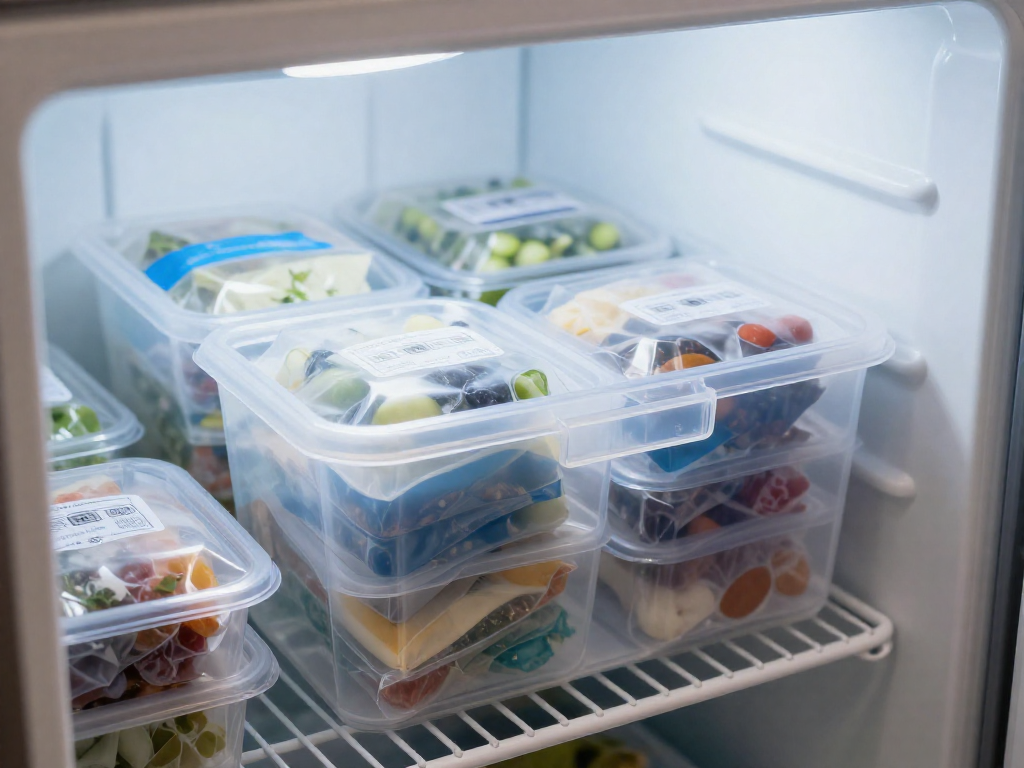
It's Wednesday evening, you've just walked in the door, and everyone's hungry—but you have zero mental bandwidth for cooking. That's when your emergency meal stash becomes the hero. For families already running on batch-cooking systems, building this stash isn't another project; it's just a seasonal tweak to what you're already doing.
The Twice-a-Year Stash Audit: Why Seasonal Rotation Beats a Freezer Full of Mystery Meals
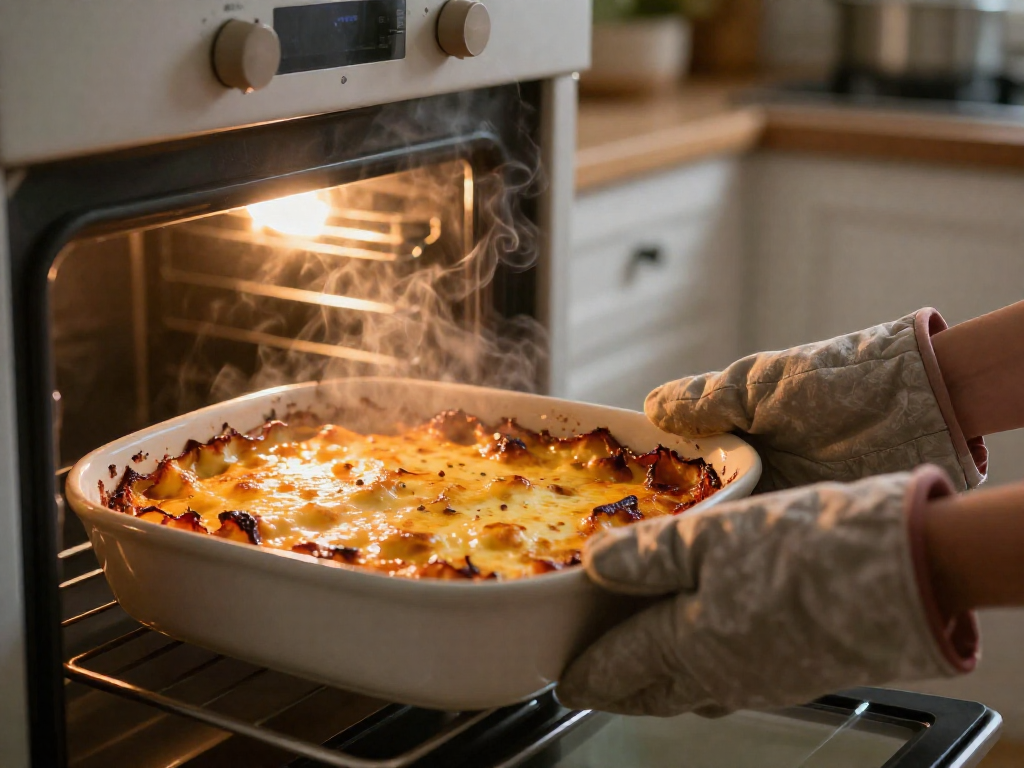
Creating an emergency meal stash that actually works when life falls apart comes down to one non-negotiable habit: a twice-a-year freezer reset. Without it, you’ll end up with a jumble of forgotten containers and decision fatigue exactly when you need simplicity most.
Mark your calendar for a spring and fall audit—tie them to daylight saving time changes or equinoxes so you never skip. During each reset, pull everything out. The goal isn’t to toss food; it’s to eat down the stash and realign it with the season ahead. That means midwestern chili in April and gazpacho in October get served for dinner this week, not left to languish. Treat the week after an audit as a “freezer burn” meal plan: no new cooking until the oldest meals are cleared.
Once the deadwood is gone, restock with what you’ll genuinely reach for in the coming months. If you’re batch-cooking lighter grain bowls and grilled proteins all summer, don’t clog the freezer with heavy braises. Replace them with a dozen pre-portioned marinated chicken thighs and a few quarts of chilled cucumber soup for those “oh crap” 6 p.m. moments. This rhythm means your stash always maps to your current reality—not some past version of your kitchen.
How to Build Your Stash Without Adding a Single Extra Cooking Session
This is the secret that makes an emergency stash sustainable: you never cook for the stash. You just cook what you’re already cooking, and you freeze the overflow.
When a freezer-friendly meal lands on your weekly plan—think lasagna, enchilada casserole, meatballs, or a big pot of chili—scale up. Double or triple the batch. You’re already chopping onions, browning meat, and washing the same pots. The only thing that changes is how many pans you fill. One goes to the table tonight. The others go straight into labeled, freezer-safe containers and hit the shelf before you serve dinner, so nobody “accidentally” takes seconds from tomorrow’s stash.
If a full double batch feels like too much, adopt the “one extra” rule. Every time you cook something that freezes well, make one more portion than you need. That extra tray of baked ziti or quart of soup sneaks into the freezer almost invisibly. Over a month, three or four meals appear without a single extra shopping trip or afternoon marathon.
This works because it leverages momentum, not willpower. A few extra scoops, a slightly larger pot—that’s all it takes. The stash grows slowly, steadily, and never feels like a chore.
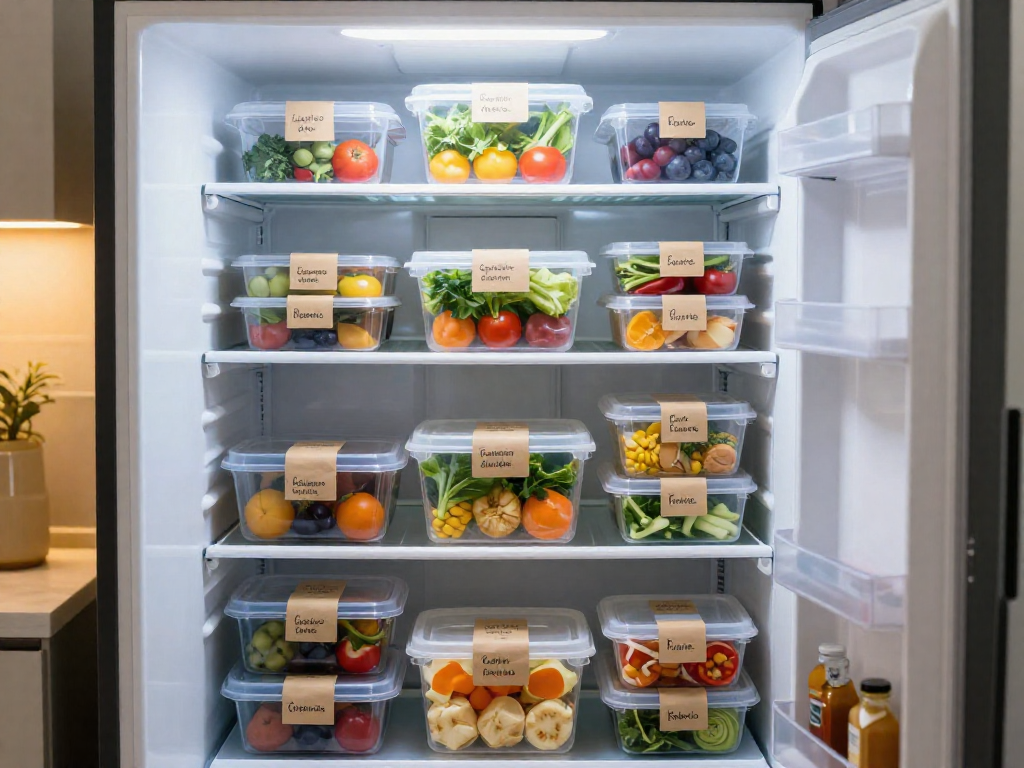
Finally, give those meals a home. Dedicate one shelf or a clearly labeled bin to emergency meals. When you open the freezer at 6 p.m. on a crazy Tuesday, you see exactly what you have—no digging, no mystery containers. That visual cue also reminds you to restock when the bin runs low, so the system takes care of itself.
What to Stock: The Kinds of Meals That Actually Save Your Week
When you’re running on fumes, you don’t need a culinary project—you need food that feels like a hug from the inside. Stick with dishes that reheat beautifully and get better as they sit: think cheesy baked ziti, creamy chicken and rice casserole, beef and bean enchiladas, or a thick, savory lentil stew. These are the meals you’ll actually crave after a nightmare Tuesday.
Skip anything that demands last-minute sides or assembly. A frozen lasagna is brilliant; a frozen piece of salmon that needs a side salad and a sauce is a chore in disguise. The goal is zero brainpower between freezer and table.
Also tuck in a few items you can take straight from freezer to heat with no thawing. Frozen soup bricks—chili, tom kha gai, or minestrone—are lifesavers. Pre-assembled slow-cooker bags (dump into the pot, set, forget) and marinated proteins tossed into bags (chicken thighs in soy-ginger glaze, for example) round out the stash so you’ve always got a hearty meal within arm’s reach.
The Emergency Workflow: How to Use and Replenish So You Never Hit Zero
Thaw meals overnight in the fridge—texture holds up best, and you’re still ahead of the dinner scramble even on crazy days. Mount a magnetic dry-erase list right on the freezer door with meal names and dates; cross off what you pull so you always see what’s left. The moment you grab a meal, scribble its replacement onto your next batch-cook plan. Keep a minimum of 3–5 dinners on standby, and restock before you dip below that.
The Hidden Savings: How an Emergency Stash Protects Your Budget as Well as Your Sanity
An emergency stash isn't just a sanity-saver — it quietly pads your budget. The math is straightforward: on a chaotic night, you're not paying a premium for last-minute takeout or a drive-thru run. Instead, that meal you grabbed from the freezer was once a batch-cooked surplus that might otherwise have been forgotten and wasted. Over a season, those skipped impulse orders and rescued leftovers add up. The system essentially pays for itself, turning what could be costly panic into a frugal, weeknight win.
FAQ
How many meals should I have in my emergency stash?
Aim for enough meals to cover your family's typical number of from-scratch dinners during a peak-busy week, plus one extra. Think of it as a buffer that lets you skip the grocery store when a sick kid or late meeting hits. Adjust the count seasonally—more in winter when you rely on the stash heavily, fewer in summer when fresh options are abundant.
Can I just use store-bought frozen meals instead?
Yes, store-bought frozen meals can work as a fallback, but they rarely match the cost, flavor, and nutrition of homemade stash meals tailored to your family. They’re a solid bridge while you build your system, or for adding variety without extra effort. Keep a few on hand for emergencies, but make your own the backbone so you control ingredients and avoid meal fatigue.
What if my family gets tired of the same freezer meals?
Rotate your stash seasonally and mix up the format, not just the protein. Instead of freezing complete casseroles, freeze marinades, prepped veggies, and cooked grains separately—then combine them in fresh ways each week. Maintain a family-sourced 'hit list' and retire any meal that gets skipped twice. A quarterly stash audit keeps favorites in rotation and boredom at bay.
How do I prevent freezer burn on meals that sit for a few months?
Minimize air contact by using airtight, moisture-proof wrapping and containers, and cool food completely before freezing. For long-term storage, vacuum sealing or double-wrapping with plastic and foil works best. Organize your freezer so older meals are front and center, and keep the temperature stable by avoiding overfilling and limiting door-opening marathons.
See also
- Weekly Batch Cooking Routine
- How to Organize Your Freezer for a Month's Worth of Meals
- Simple Freezer Meal Prep for Beginners
Related articles
Winter Warmer: Batch-Cooking Soups and Stews for a Month
How do I batch cook and freeze a variety of soups and stews for winter?
Jul 31, 2026 · 7 min read
Seasonal Chore Batching: Spring Cleaning and Fall Yard Work Templates
How can I apply batching techniques to deep seasonal chores?
Jul 31, 2026 · 8 min read
Holiday Hosting on Autopilot: Batch-Prepped Appetizers and Sides
How can I batch prepare holiday food in advance so I'm not stuck in the kitchen during gatherings?
Jul 31, 2026 · 7 min read