The No-Cook Weekend: How to Prep Without Turning on the Oven
How can I meal prep in summer or without heating up the kitchen?
On this page
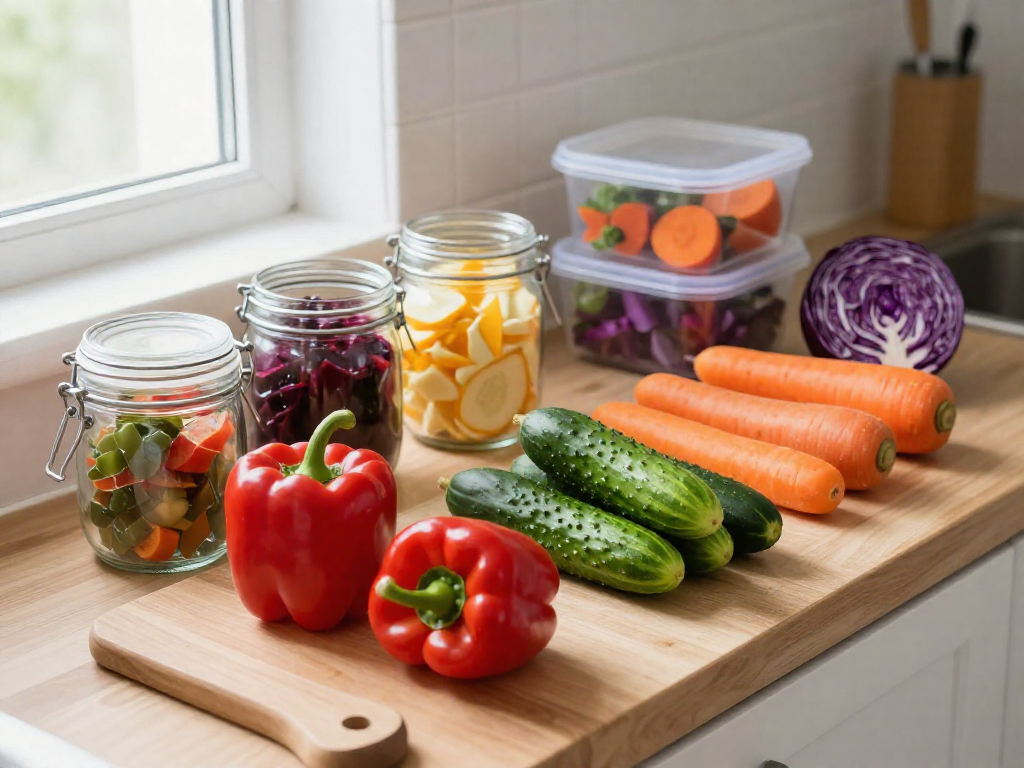
Hook the reader with the dread of turning on the oven in hot weather, then promise a cool kitchen and a full week of meals using only assembly and smart ingredient choices.
Why a No-Cook Weekend? (And Who It's For)
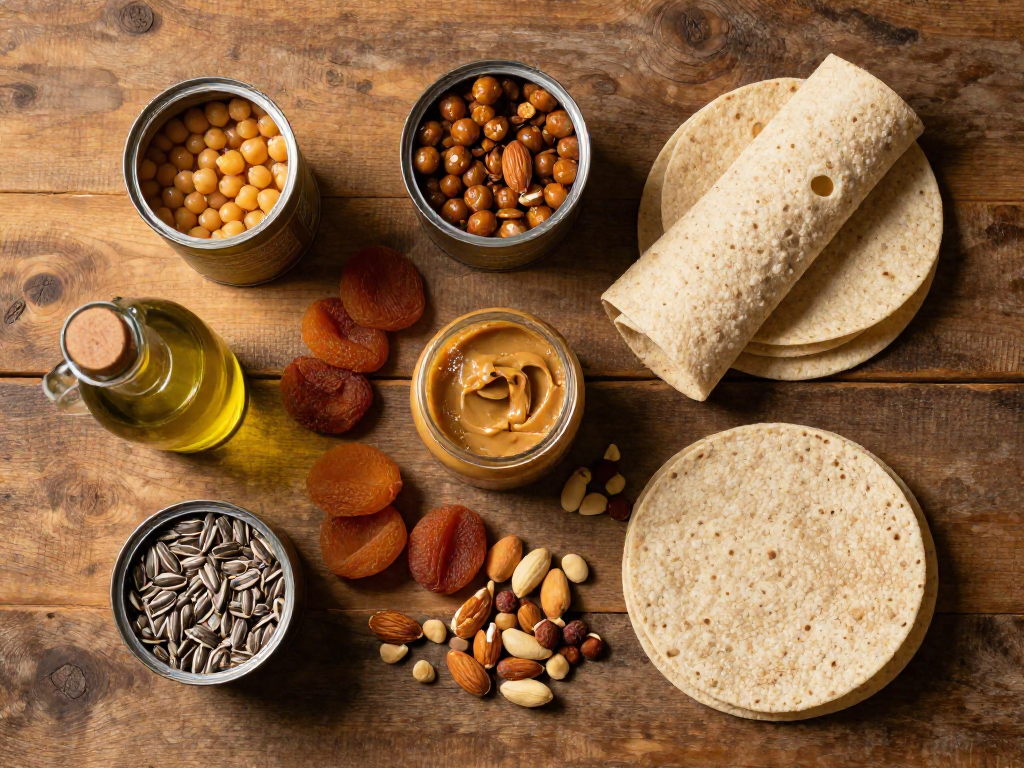
You can meal prep without turning on the oven by shifting to assembly-based meals that lean on pre-cooked staples, no-heat proteins, and fresh produce. This no-cook weekend approach is a game-changer for sweltering summer days, cramped kitchens, or any week when the thought of preheating feels like a chore. Instead of roasting and baking, you’ll build grain bowls, hearty salads, and wrap-friendly fillings in one focused session. The result: a fridge stocked with grab-and-go meals, zero sweat, and a kitchen that stays cool.
The No-Cook Pantry: Must-Have Staples
Skip the oven entirely by stocking a few workhorses that do the heavy lifting for you. Pick up a rotisserie chicken on Friday — shred it straight into salads, wraps, or grain bowls all weekend. Canned chickpeas, black beans, and tuna are your other zero-cook proteins; drain, rinse, and they're ready. For grains, microwaveable brown-rice pouches and couscous that just needs a pour of boiling water keep you away from the stove. Hard-boiled eggs and cubed firm tofu round out the protein lineup with zero heat.
On the produce side, reach for sturdy veg that won't wilt by Sunday: bell peppers, shredded carrots, thinly sliced cabbage, and whole cherry tomatoes. Their crunch holds up beautifully in fridge salads. A handful of bold dressings — think sesame-ginger, creamy cilantro, or a sharp lemon-tahini — ties everything together without a pan. Keep these staples dialed in, and your no-cook weekend becomes a repeatable system, not a frantic improv session.
Your Step-by-Step No-Cook Weekend Workflow
1. Set up stations and review your recipes (Friday night or Saturday morning). Before you touch a vegetable, take 10 minutes to pull up your recipe list—jar salads, grain bowls, no-cook wraps—and clear your counters. Dedicate one zone for washing, one for cutting, and one for assembly. Stack your containers, jars, and labels where you can reach them. Laying this groundwork now saves you from hunting for a lid mid-flow.
2. Wash and chop all produce in one go. Rinse everything: greens, cucumbers, peppers, herbs. Spin the greens dry in a salad spinner—moisture is the enemy of a crisp jar salad. Then move to the cutting station and chop every vegetable, all at once, separating them into piles or bowls as you go. Doing all the washing, then all the chopping, instead of switching tasks, keeps your rhythm and cuts down total time by a surprising margin.
3. Handle proteins—no heat required. Pick up a rotisserie chicken at the store and shred the meat with two forks. Open and drain cans of chickpeas, tuna, or salmon. If you’re using tofu, slice it into strips or cubes (a quick press under a heavy plate for 10 minutes helps it absorb dressing later). For hard-boiled eggs, either buy them pre-cooked or boil them the night before when the kitchen is cooler—they’ll chill overnight and be ready cold.
4. Prep “quick grains” that don’t need the stove. Couscous is your best friend: just pour boiling water over it (use your electric kettle) and let it sit for 5 minutes. Bulgur works the same way. If you need quinoa, microwave it in a covered bowl with water—most microwaves can handle a cup of quinoa in about 4 minutes on high, then steam it for another 10. The point is, you never turn on the oven, and you barely touch the stovetop. Cooked grains cool fast and are ready for bowls.
5. Assemble in batches. Now the fun part—constructing your meals. Line up your jars for salads: dressing on the bottom, then sturdy veg (cucumber, peppers), then grains or protein, then greens on top. For grain bowls, divide the cooked grains among containers, add a protein, pile on chopped veggies, and seal. Wraps can be assembled directly on parchment and rolled tight; stashing a few wraps with filling already inside works if you avoid overly wet ingredients. Snack packs are simple: cheese cubes, nuts, fruit. Do all jar salads, then all bowls, then wraps—batching each type so you build speed.
6. Label, store, and clean as you go. Stick a piece of masking tape on each container with the day of the week. Wipe down surfaces between steps—you’ll finish with zero heat exhaustion and a kitchen that looks barely used. A dry-erase marker on the fridge door with your meal list for the week keeps everyone on track. The whole workflow, from first rinse to last lid snap, can clock in under three hours, and you’ll have five to seven days of meals without ever preheating anything.
No-Cook Meal Ideas for Every Day
Your prepped components are only as good as the meals they become. After a weekend of chopping, mixing, and tucking things into containers, you want a handful of reliable blueprints that pull everything together in minutes. These are the no-cook templates our family rotates—each one leans on pantry staples and your batch-prepped proteins, grains, and produce.
Start with mason jar salads, but skip the sad desk lettuce. The trick is order: dressing at the bottom, then hearty ingredients like chickpeas or diced bell pepper, next cooked farro or quinoa, and delicate greens on top. When you dump it into a bowl, everything is crisp and perfectly coated. Hearty wraps are your fastest friend: spread a tortilla with hummus, pile on shredded rotisserie chicken, pickled onions, and a handful of crunchy slaw mix, then roll tight and slice in half. For something more substantial, build a grain bowl. Scoop pre-cooked quinoa or brown rice into a wide bowl, add black beans, thawed corn, cherry tomatoes, and a spoonful of salsa verde. A handful of crushed tortilla chips on top makes it feel like a meal.
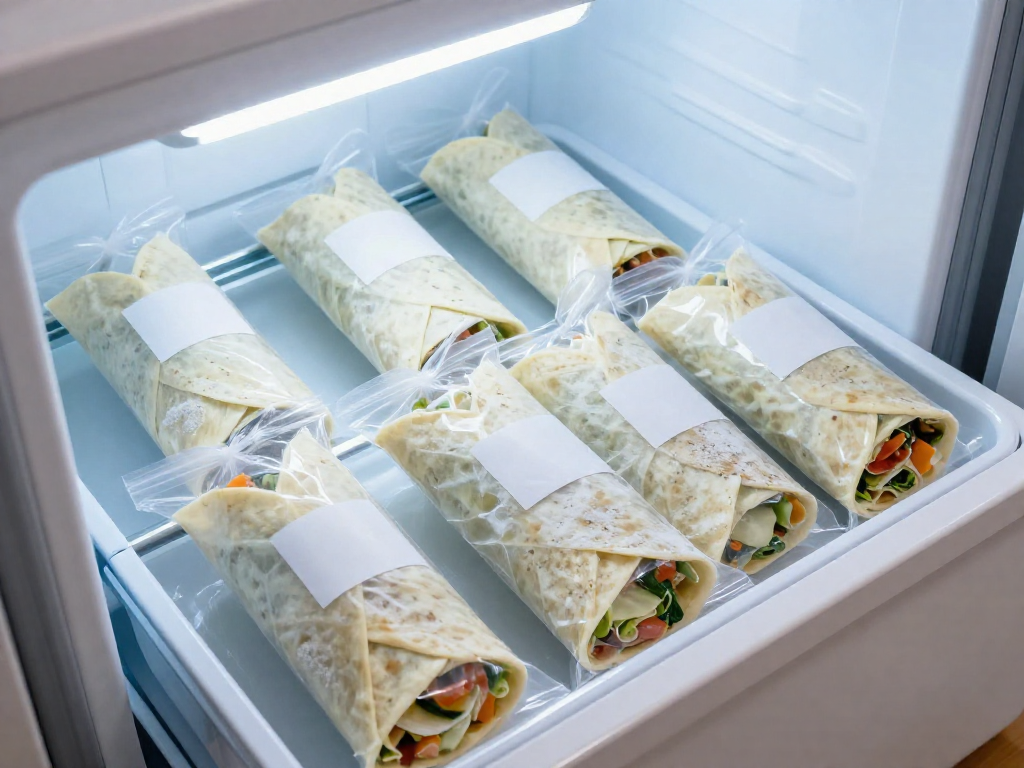
Make-ahead freezer burritos are the ultimate no-cook lunch: fill large tortillas with refried beans, shredded cheese, diced bell peppers, and any leftover cooked chicken or tofu, wrap in foil, and freeze. Microwave for 2–3 minutes right from the freezer, then let it sit for a minute before eating. On warm afternoons, nothing beats cold noodle salads. Toss cooked soba or rice noodles with a big spoonful of peanut or sunflower seed butter thinned with soy sauce and lime juice, then stir in shredded carrots, cucumber matchsticks, and edamame. Keep the noodles separate until just before eating so they don’t clump. Finally, smoothie packs save mornings: portion spinach, a banana, and frozen mango into quart-size bags, then stash them in the freezer. In the blender, add your milk of choice and a scoop of seeds or nut butter—breakfast in 30 seconds flat.
Pro Tips to Avoid Soggy Disasters
Moisture is the enemy of no-cook prep, but a few simple habits keep everything crisp. Store dressings and wet ingredients separately until the moment you eat — drizzle a jar salad dressing from the bottom, or pack juicy tomatoes and cucumber in their own container. For salads that last all week, lean on sturdy greens like kale, shredded cabbage, or carrots; they stay crunchy even after a few days in the fridge. When assembling wraps, place a moisture barrier — think cheese slices or a whole lettuce leaf — directly against the tortilla so fillings don't soak through.
Conclusion: Embrace the Cool Kitchen
No-cook weekends aren't just for heatwaves — they're a sanity-saving system that keeps your kitchen cool and your Sunday free. The payoff is real: clean counters, crisp salads, and zero oven-glare guilt. Start small this weekend. Pick three no-cook recipes from the ideas above and stock your pantry with the staples you've already mapped out. Once you feel the rhythm, it'll become a summer staple. And if you're hungry for more batch-cooking templates that work around a busy schedule, explore our hub of repeatable plans for every season.
FAQ
Can I really avoid all cooking? What about grains like rice?
You can build a fully no-cook menu by replacing cooked grains with alternatives that don’t require a stove. Use pre-washed salad greens, wraps, or quick-soak grains like couscous (just hydrate in cool water). For rice, grab pre-cooked frozen packets or instant versions that swell in cold water with no heat needed.
How long do prepped no-cook meals last in the fridge?
Shelf life hinges on the ingredients—delicate leaves and cut fruit wilt quickly, while sturdy grains, legumes, and dense vegetables stay fresh longer. Store dressings and crunchy toppings separately in airtight containers to stretch freshness as far as possible.
What are some protein alternatives for vegetarians?
No-cook vegetarian protein comes from canned legumes (chickpeas, black beans, lentils), silken tofu, thawed frozen edamame, nuts, seeds, and hard cheeses. Toss them straight into salads, wraps, or cold bowls for an instant protein boost.
Will prepped salads stay crisp all week?
They won’t stay perfectly crisp all week, but smart layering gets you close. Keep dressing at the bottom of a mason jar, stack heartier vegetables next, and place delicate greens on top—only mixing when you’re ready to eat.
Can I freeze no-cook meals without ruining texture?
Freezing works for some no-cook components but ruins fresh, water-rich produce. Marinated beans, grain bases, and pestos freeze well; avoid freezing greens, cucumbers, or creamy dressings, which turn mushy or separate upon thawing.
See also
- Batch Cooking 101 for Beginners
- How to Stock a Freezer for a Month
- Quick Weeknight Dinner Assembly Systems
- Seasonal Meal Prep: Fall Edition
Related articles
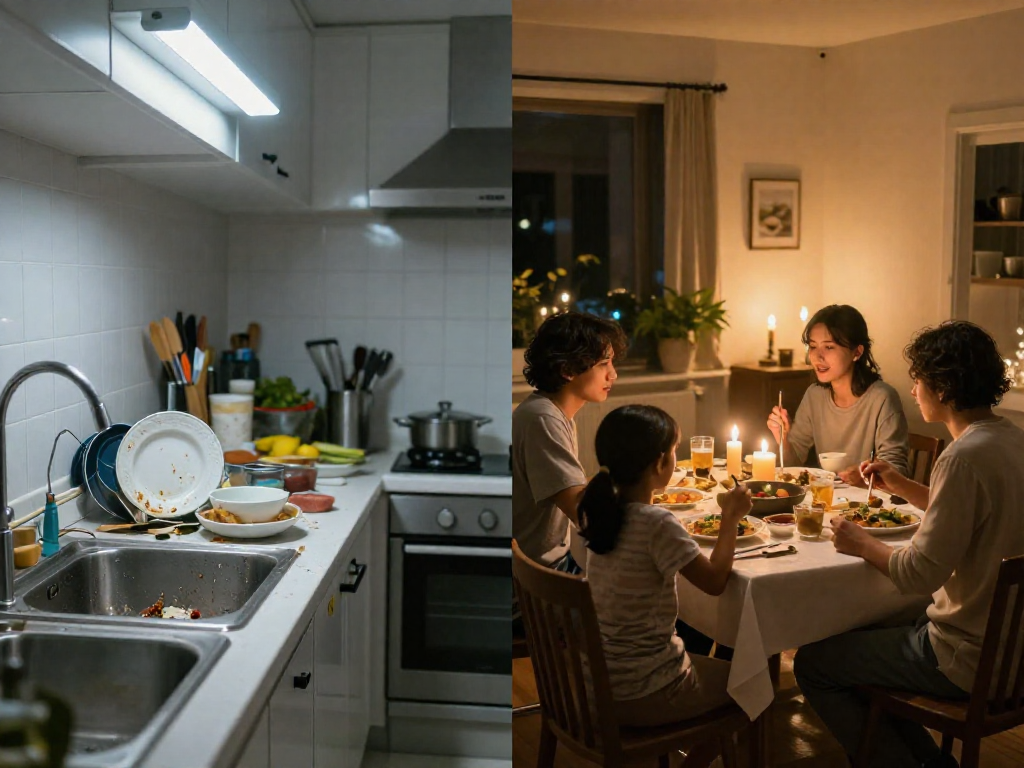
From Chaos to Calm: How Meal Prep Transformed Our Evenings
Discover the emotional and practical impact of consistent meal prep on family life—less stress, more connection, and calm evenings.
Jul 31, 2026 · 5 min read
Meal Prep Containers: A Complete Guide for Dual-Income Families
What are the best containers for family meal prep, considering portions, storage, and reheating?
Jul 31, 2026 · 8 min read
The 10-Minute Weeknight Assembly: Using Prepped Components
How do I turn meal prepped components into quick dinners during the week?
Jul 31, 2026 · 3 min read