Involving Kids in Batch Cooking: Tasks by Age Group
How can I get my kids to help with meal prep without making it take longer?
On this page
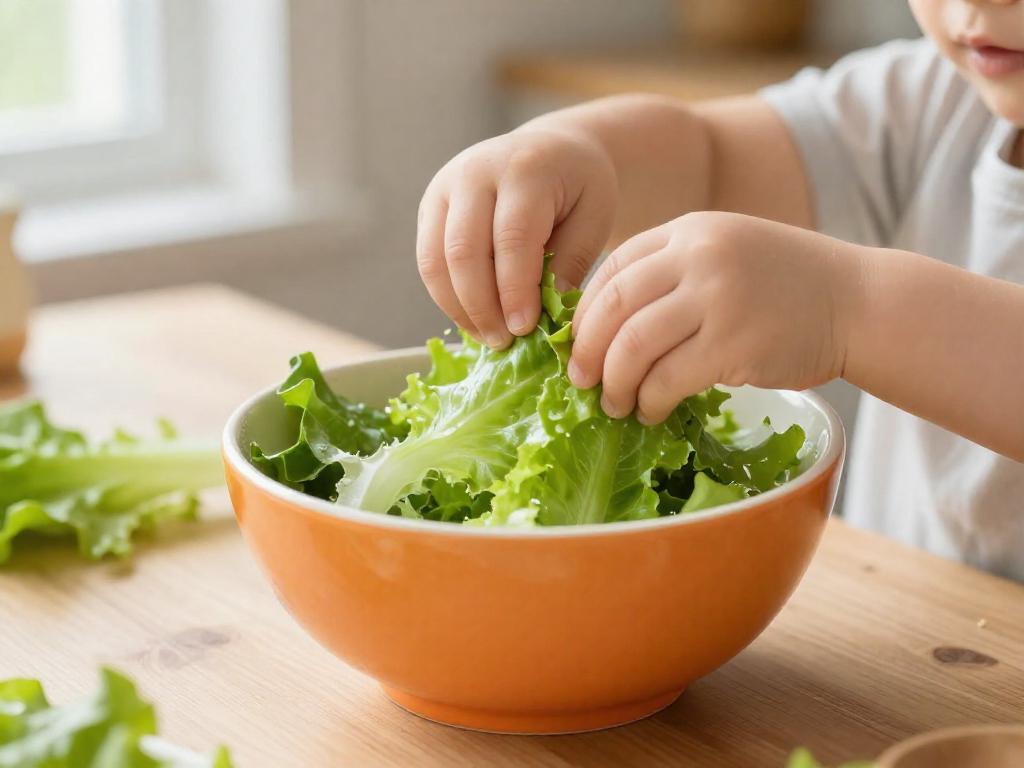
How can I get my kids to help with meal prep without making it take longer? The trick is assigning age-appropriate tasks that match their abilities and actually contribute. Here's a breakdown by age group.
Why Most Parents Get This Wrong (And How to Fix It)
The trick is matching tasks to their actual motor skills — not their enthusiasm. When you hand a 3-year-old a job designed for a 6-year-old, you get mess and frustration on both sides. But give a toddler a butter knife for soft spreading or a preschooler a salad spinner, and they become genuine kitchen allies. This guide breaks down age-by-age tasks that make batch cooking faster, not slower.
Setting Up Your Kitchen for Little Helpers
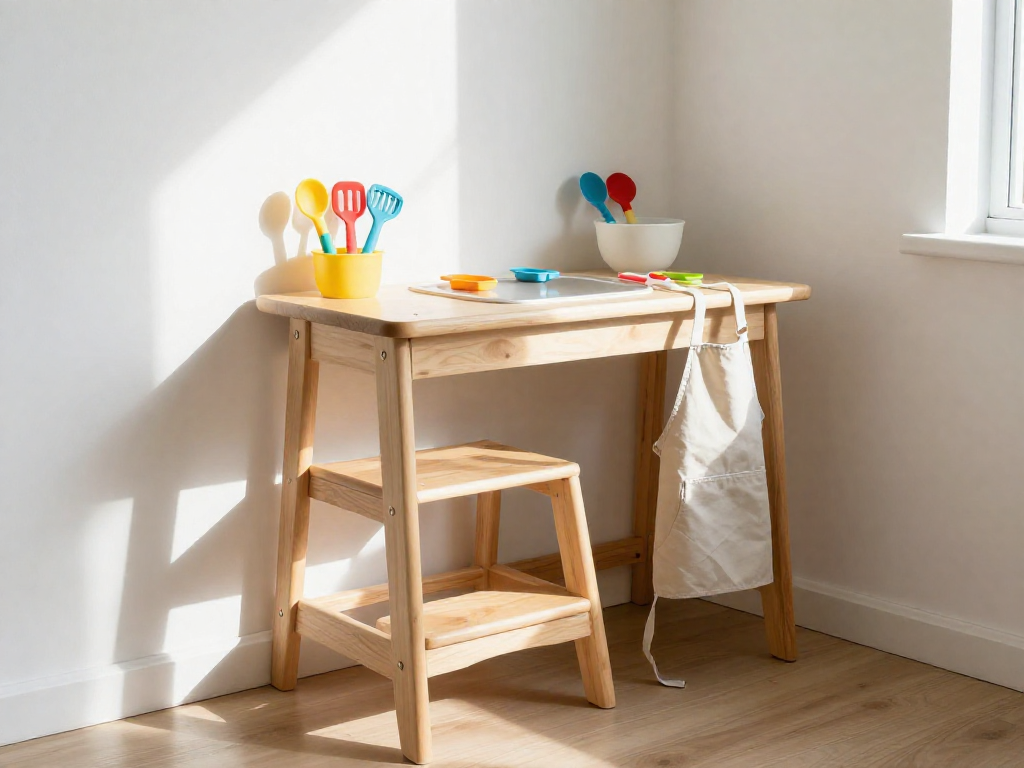
Before you hand a child a vegetable, think real estate. A wobbly chair stacked with cushions is a recipe for chaos—and a hard fall. Instead, designate a low, stable work surface. A toddler-height table works beautifully; if counter height is your only option, invest in a step stool with guard rails. This single move anchors the experience and signals that cooking time is serious, shared business.
Then equip them with tools sized for small hands. A nylon knife (it'll cut zucchini but not fingers) paired with a small cutting board, a mini whisk, and a vegetable scrubber removes the clumsiness that makes kids dread helping. Their own dedicated drawer or basket—stocked and ready—turns setup into a predictable routine.
Finally, nail the non-negotiables: hands get washed immediately, hot stoves and ovens are 'grown-up zones,' and the claw grip (fingertips curled under) is how we hold food for cutting. Keep sessions to 15–20 minutes max. Short bursts protect their attention and your patience. You're in control—stop before anyone gets tired.
Ages 2–4: Tiny Hands, Real Work
Most parents assume a two-year-old in the kitchen only slows things down, but toddlers are wired to imitate and contribute—and they can do genuine, useful work right now. The payback isn’t just a helper later; it’s a child who learns that food doesn’t materialize from a screen and who is far more likely to taste what he helped prepare.
The key is matching the task to their motor skills and attention span. Start with tearing: pile a few rinsed lettuce leaves, soft herbs (basil, mint), or even bread for a stuffing in front of them and show the motion once. They’ll shred unevenly, and that’s fine. Washing firm produce is equally elemental—fill a low bowl with cool water, hand over a few potatoes or apples, and let them scrub and splash. That bowl becomes a sensory station that keeps them engaged while you chop nearby. Sorting is another winner: hand them a colander of cherry tomatoes and a couple of small bowls, and ask them to group by color or size. You’ll get the lumpy ones separated without having to think about it.
Soft-food mashing—ripe banana, avocado, even steamed sweet potato—gives them the satisfying job of pressing down with a fork or a child-safe masher. Sprinkling pre-measured cheese, herbs, or a pinch of salt onto a dish lets them “finish” a component and see an immediate result. Filling muffin cups with a spoon, stuffing pita pockets with grated carrot, or dropping liners into a tin are all simple, low-mess tasks that genuinely move the prep forward.
Keep each stint to 5–10 minutes—that’s the sweet spot where enthusiasm crests and before tiny legs need to run. Stop while it’s still fun, not when frustration sets in. Expect a mess: water on the floor, flour on the stool, a stray bean under the fridge. Lay an old towel under their workstation and let it happen. The goal isn’t a spotless kitchen; it’s a kid who internalizes that cooking together is joyful, not a performance. Over time, that translates into a child who snags a smock unprompted because Friday is pizza night and she knows she’s the cheese sprinkler. That’s the habit taking root.
Ages 5–7: Growing Independence in the Kitchen
This age group hits a sweet spot—kids are eager to take on more responsibility, and their fine motor skills have come far enough to handle genuinely useful tasks. The trick is to lean into their budding independence without handing over anything that'll derail your timeline.
Start them on measuring dry and liquid ingredients. A 5-year-old can scoop flour, level it off with a straight edge, and pour vanilla into a teaspoon—but stay close, because their concept of “level” is still developing. Whisking is another winner. Hand them a bowl, a whisk, and a batch of eggs for scrambling or a simple vinaigrette, and they'll happily mix while you move on to other steps. Just expect a few splatters.
Cracking eggs is the milestone task here. Demonstrate once, then let them practice into a separate bowl. Even with careful hands, shell fragments happen, and fishing them out of a small bowl is way less frustrating than picking them out of your cake batter. Once they get the hang of it, they'll feel like a pro.
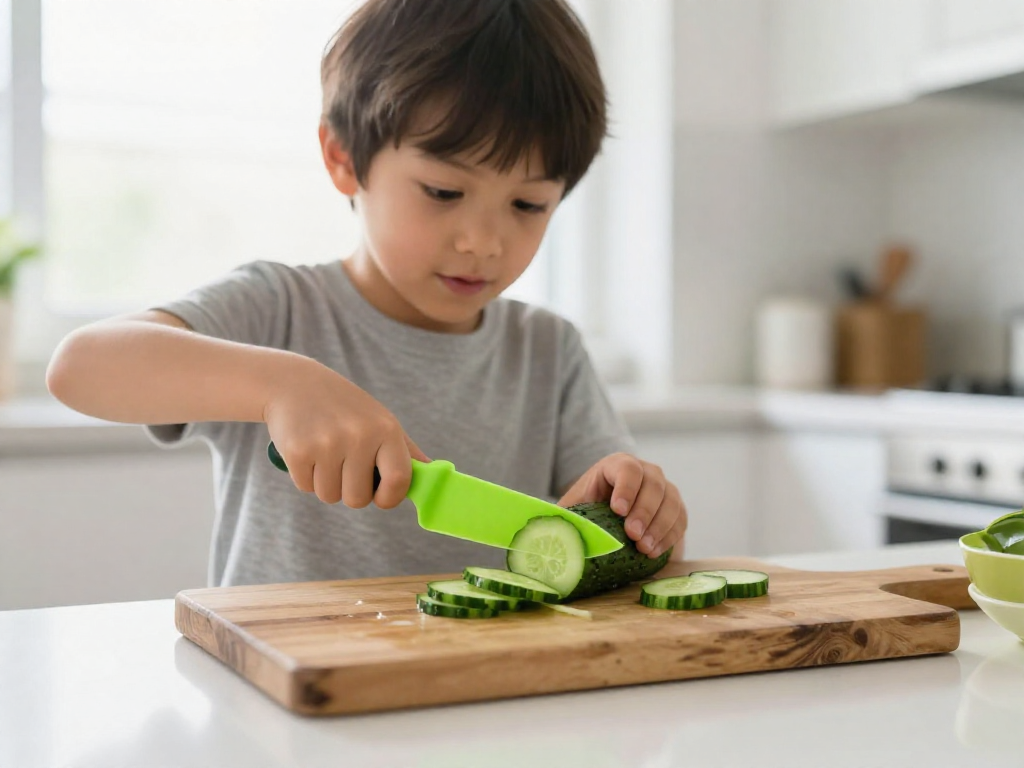
For assembly-line batch cooking, put them on spreading duty: butter on bread for grilled cheese, cream cheese on bagels, or sauce in a casserole dish. They'll be slow, but the work is steady and requires no precision—perfect for the 15-to-20-minute attention span you can expect before fatigue sets in. Give them a nylon knife and soft foods—bananas, cooked potatoes, or sandwich fillings—and you've got a safe way to build cutting skills without worrying about real blades.
Layer-it-yourself meals are another easy win. Have them stack ingredients into a baking dish for lasagna or enchiladas, or set up a wrap station where they spread, sprinkle, and roll. These tasks are repetitive enough to keep them engaged but forgiving enough that their uneven results won't ruin dinner.
One mistake to skip: tasks that demand too much precision or endless repetition. A kid this age will zone out measuring twenty half-teaspoons, and you'll end up redoing it. Keep the tasks varied and short, and call it quits before they lose interest. When you match the job to their real ability, not your wishful thinking, they genuinely speed things up.
Ages 8+: Almost-Independent Prep Partners
At this stage, kids go from helper to genuine asset. They can take on real prep that moves the batch-cooking session faster—not slower—when you hand them the right tasks.
A sharp knife and a cutting board become their station. Teach the claw grip (fingertips curled under, knuckles guiding the blade) and let them work through firmer vegetables while you handle meat or sauces. They’ll get faster with practice, and you’ll free up your own hands for the hot work. Keep the rule firm: an adult is always in the room when the knife is moving.
Beyond chopping, pull them into appliance tasks. Operating the can opener, dumping ingredients into the food processor, or running the blender becomes their domain—with you right there to steady the base or check the lid. They can read the next step from a simple recipe card, measure spices, and even adjust seasoning by tasting. Let them start building that gut sense for balance: “Does it need more salt? A squeeze of lemon?” This is where they learn to think like a cook.
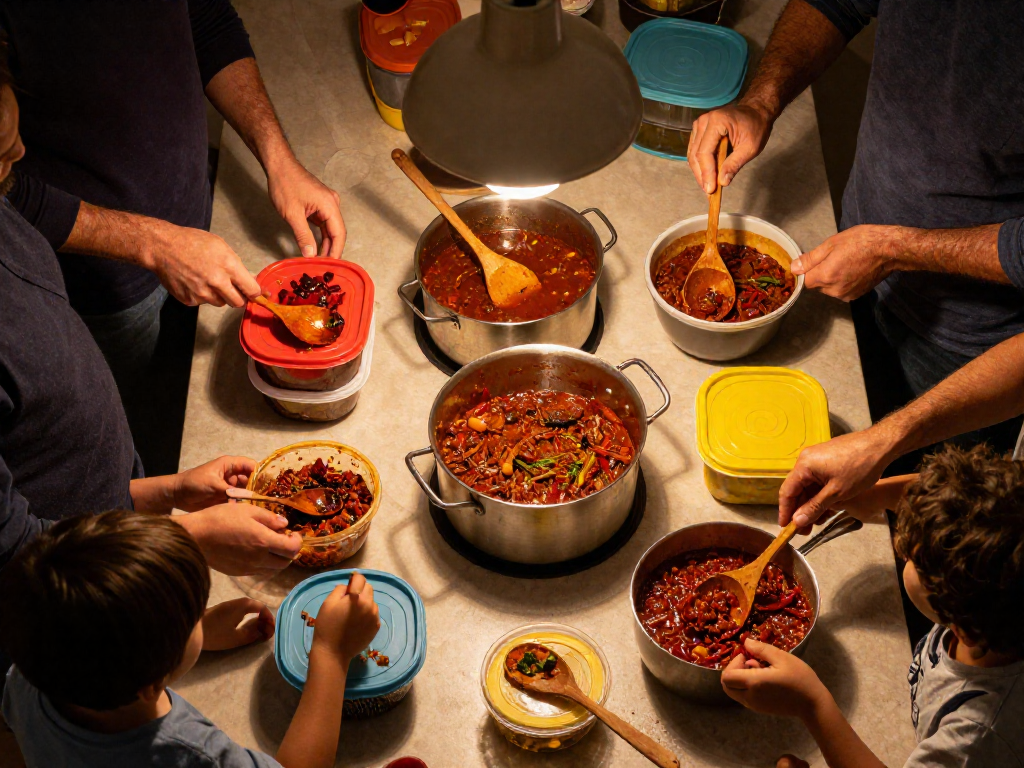
Portioning food into freezer containers is another no-brainer win. Set up a scooping station with pre-labeled bags or containers and let them divide chili, soup, or prepped veggies. It’s repetitive, satisfying, and genuinely slashes your cleanup time.
Older kids in this bracket can mind a pot—stirring a simmering sauce or soup while you cross something else off the list. But stovetop and oven use stays under your wing. No solo heat until they’ve shown consistent, calm judgment. That line keeps everyone safe while they build real confidence.
Common Pitfalls and Quick Fixes
The fastest way to turn a helper off cooking is to hand them a task they can’t succeed at. Pick one simple step—tearing lettuce, dumping pre-measured flour—and stop there. Show them exactly what you need, once, before they touch anything. Have their tools and ingredients laid out before calling them over; waiting kills interest. Set a timer for five or ten minutes, and end on a high note the second they drift. Praise the mess and the effort, never the outcome, and you’ll build a helper who actually wants to come back.
FAQ
What if my child isn't interested in helping?
Don't force it. Invite them to just hang out nearby while you cook, or offer a choice between two simple tasks they might like better, such as pushing a button on the food processor or counting out carrot sticks. Often they'll drift back when they see the tangible results of your batch cooking.
How do I handle the mess when kids help?
Build a quick cleanup routine into the session: line your work area with a cheap plastic tablecloth, keep a bowl for scraps right at their elbow, and have them wipe down with a damp cloth as they go. It turns tidying into part of the task rather than a separate chore.
Are there safety tips for knives with young kids?
Skip sharp knives entirely for the youngest helpers. A nylon lettuce knife or a butter knife can handle soft items like bananas or cooked potatoes, and gives you a chance to teach careful handling without risk. Always demo the motion yourself first and stay within arm's reach.
What tasks can a 3-year-old really do?
A three-year-old can wash produce, tear greens, stir batter, mash cooked beans, pour pre-measured ingredients into a bowl, and count out portions. Pick one or two of these per session so they feel successful without getting overwhelmed.
How long should a cooking session with kids last?
Aim for just long enough to complete one discrete task. Watch for signs of fading interest and wrap up while they still want more, so they'll be eager for the next time.
See also
- Batch Cooking 101 for Busy Families
- Weekly Meal Prep: A Step-by-Step System
- Kitchen Organization for Dual-Income Homes
Related articles
Stealth Health: Hidden Veggie Batch Recipes That Kids Don't Notice
How can I sneak vegetables into batch-cooked meals without detection?
Jul 31, 2026 · 5 min read

Kid-Approved Freezer Stash: 15 Meals That Freeze Perfectly
Discover 15 kid-approved freezer meals that freeze perfectly, with tips to avoid mushiness and boost flavor. Perfect for busy parents.
Jul 31, 2026 · 11 min read
When Kids Reject Your Batch: Troubleshooting Meal Refusal
What do I do when my child won't eat the meal I prepped?
Jul 31, 2026 · 7 min read