Lunchbox Heroes: Batch Prepping School Lunches That Come Back Empty
How can I batch prep school lunches that my kids will actually eat?
On this page
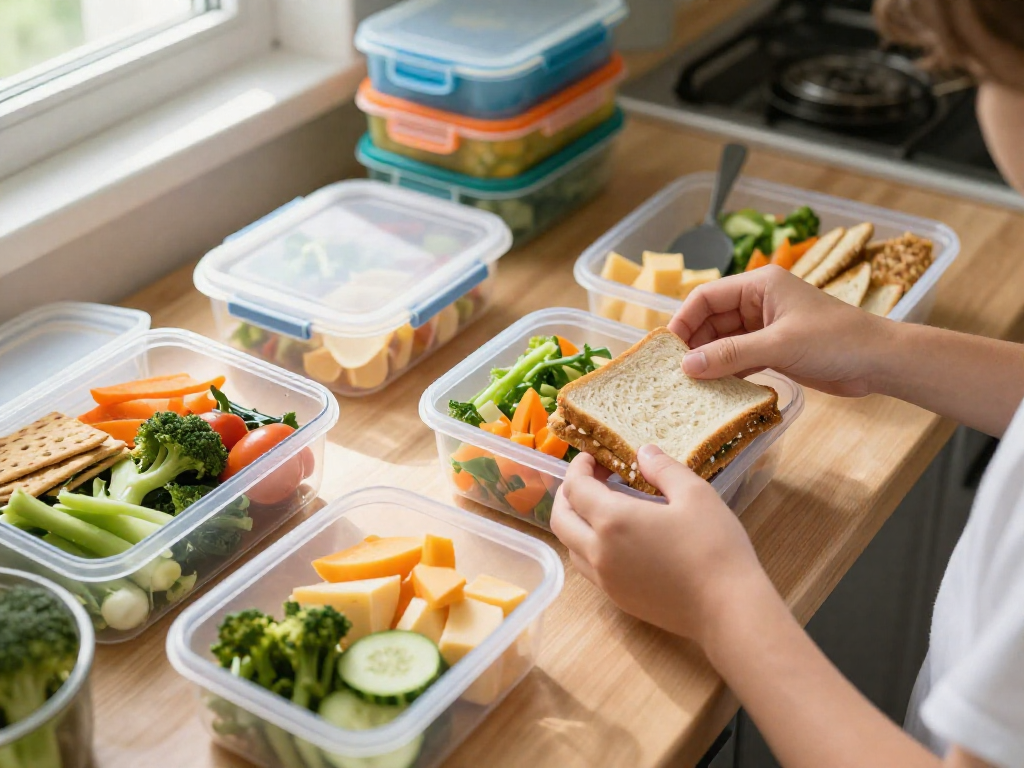
Start with the frustration of uneaten lunches and the dream of empty lunchboxes, then introduce the system approach—repeatable templates that remove daily stress and deliver food kids actually look forward to.
The Kid-Approved Master List: Build Your Starting Lineup
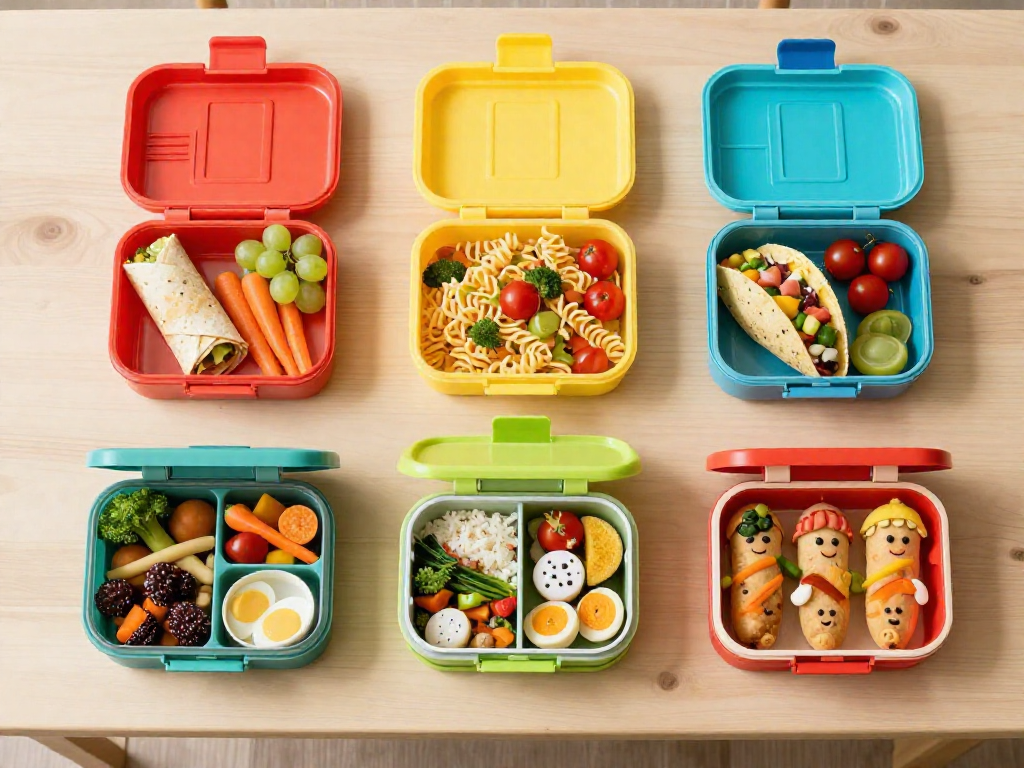
The secret to lunches that come back empty is a master list of meals your kids actually eat—built with their input, not guesswork. Start by sitting down as a family and running a simple audit: across one week, have everyone note which lunches they devoured and which they barely touched. You’ll quickly see a core set of dependable mains, sides, and snacks emerge. Group these into three columns on a shared document or whiteboard, so you can mix and match without overthinking. Before scaling up to a full batch prep, test any new recipe in an after-school taste test—only promote it to the list if it passes a kid vote. Keep only the all-stars that consistently come home eaten. Once the lineup is set, review it once a month; tastes shift, and what’s a hit in September might be a dud by December. This simple framework turns batch prepping from a gamble into a system you can trust.
The Rotation Rhythm: A Schedule That Stops Lunchtime Fatigue
Staring into the fridge at 6 AM and hoping inspiration strikes is not a system—it's a recipe for decision fatigue and half-eaten lunches. A fixed weekly rotation removes the daily guesswork and keeps kids engaged because they know what’s coming, yet variety still shows up across the week. Assign a simple, memorable theme to each day: Muffin Monday, Wrap Wednesday, or Pizza Friday, for example. The theme anchors your prep; you batch the week’s muffins on Sunday, fill wraps with a few rotating fillings, and pull pizza rolls from the freezer. It’s the promise of predictability without boredom.
Make the schedule visible to everyone. A magnetic chart on the fridge or a shared Google Calendar lets kids check the lineup, which cuts down on morning negotiations and last-minute vetoes. They can even help plan by suggesting variations within the theme—think banana muffins one week, blueberry the next—so they feel ownership without derailing the system. For weeks when life runs off the rails, stash two no-fuss backup meals in the freezer: a batch of frozen bean-and-cheese burritos and a container of homemade uncrustables, for instance. They buy you a stress-free reset without a grocery run.
This rhythm works because it caps your decisions. You’re not choosing from an infinite list every day; you’re executing a pre-built plan. It also kills buyer’s remorse—you know exactly which ingredients you need for the whole week, so nothing wilts in the crisper while you second-guess Tuesday’s main. The result: less mental load, fewer abandoned lunches, and a system that hums along even on chaotic mornings.
Batch Prep Saturday: A Repeatable 2-Hour Workflow
Block off two hours on Saturday morning, and you’ll walk into every school-day lunch rush with your heavyweight ingredients already done. Set up four stations on the counter: proteins, cooked grains, chopped veggies, and dips. Line up your containers and work through them in order, so you’re not cross-contaminating or hunting for lids mid-stream.
Prep components, not assembled boxes. Cook a sheet pan of chicken tenders or hard-boiled eggs, make a big pot of quinoa or pasta, and chop a week’s worth of bell peppers, cucumbers, and snap peas. Portion dips like hummus or yogurt ranch into mini cups. Keep everything separate until the night before or morning of—assembled sandwiches go soggy, but components stay crisp for days.
Separate do-ahead tasks from morning assembly. Anything that holds well—muffins, energy balls, frozen smoothie packs, even dippers like pretzel sticks—gets made ahead. On school mornings, you’re only grabbing a protein, a grain, a veg, and a dip, then tossing them into the box. That’s under two minutes.
Lean on the freezer for no-brainer wins. Bake a double batch of whole-wheat banana muffins or mini frittatas and freeze them flat. Smoothie packs (spinach, fruit, yogurt in a zip-top) go straight into the blender with milk. Come Friday, you’re still pulling out food that tastes fresh-made.
Packing Secrets: Keeping Food Fresh, Safe, and Not Soggy
A lunchbox that returns home full is usually a texture problem, not a taste problem. The fix is engineering the container so every component stays exactly as you intended until noon.
Start with an insulated bag and a flat ice pack slid directly against the food container—not tossed in loose. That single layer of cold keeps the whole box in the safe zone without freezing anything. For hot items in a thermos, preheat the thermos with boiling water for five minutes, dump it, and pack the hot food immediately; it’ll still be warm by lunch.
Moisture is the enemy of crispness. Slip a dry paper towel or a sheet of parchment under the main compartment to wick condensation away from crackers, sandwiches, or breaded items. For wetter elements like fruit or pickles, seal them off in a silicone cup or a small lidded container within the box. Lettuce leaves make a decent barrier between bread and juicy fillings, but parchment works better—it won’t wilt.
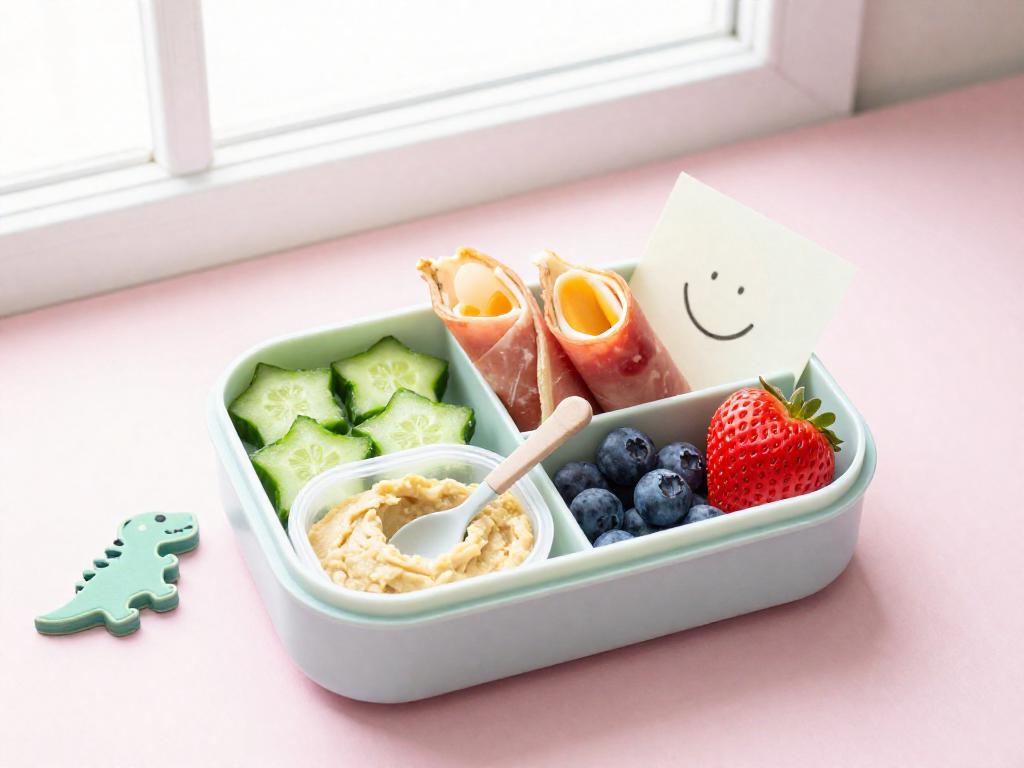
Compartmentalized containers are worth the investment. Keeps apple slices from turning your pretzels into a sad sponge. Bentgo and PlanetBox styles lock each food in its own space so nothing migrates. If you’re using standard containers, just add a reusable silicone divider or wrap dry items separately.
Timing matters. Pack non-perishable dry snacks the night before, but hold off on adding refrigerated components until morning so they don’t sweat in the fridge overnight. Sandwiches with moist fillings fare best when assembled fresh, but you can prep ingredients ahead: slice veggies, cook proteins, and portion dips into wee containers. In the morning, it’s a thirty-second assembly line, not a full construction project.
The Fun Factor: Low-Effort Upgrades That Make Lunch Cool
Lunch upgrades don't require Pinterest artistry. A $5 set of bento picks and silicone dividers keeps components from touching (mushy bread is friendship-ending) and adds instant color. Turn sandwiches into stars or dinosaurs with a mini cookie cutter—takes seconds, no skill needed. Rotate pre-printed joke stickers on the napkin; you can buy a pad of 100 for under $10 and they double as reading practice. For maximum hype, declare a weekly “Dip Day” with hummus or ranch in a lidded cup, or send a build-your-own taco kit. Use bright, contrasting foods—orange carrots beside purple grapes—to make the box look fuller and more appetizing. None of these add more than 30 seconds per lunch.
Kid Co-Pilots: Involving Them Without Derailing Your System
The fastest way to get buy-in is to hand over a little controlled choice. Let each kid pick one or two items from your master list every week—they’ll feel heard, and you keep the menu sane. For hands-on help, give them age-appropriate mini-tasks: filling dip cups, dropping crackers into compartments, or choosing between two snacks. A bit of ownership works wonders. A decorated lunchbox (or even just their own sticker on the lid) signals that this is their food, not yours. To nudge adventurous eating, try a “lunchbox contract”: they agree to take one bite of something new, no drama required. It turns a chore into a team effort without adding fifteen minutes to your prep.
Empty Lunchbox Guarantee: Troubleshooting and Adjusting
Even the best-planned batch system sometimes delivers a lunch that comes back barely touched. Before you pivot recipes, zoom out. The culprit is often the eating environment: a too-short lunch period, noisy cafeteria, or assigned seating next to a chatty friend can kill an appetite. A quick chat with the teacher can reveal if your kid is just running out of time. If they are, switch to quick-to-eat items like pinwheels or pre-cut fruit that don't demand much fork work.
Next, check your portion sizes. Many kids aren't picky—they're overwhelmed. A container packed to the brim can look insurmountable. Halve the main and add a back-up pack of crackers they can open only if hungry. You'll be surprised how often less food returns more clean.
When a beloved leftover is suddenly rejected, don't scrap it. Give it a costume change: yesterday's rice and beans become a wrap, cubed chicken gets a yogurt dip, roasted veggies slide onto a skewer. The novelty alone often breaks the strike.
Finally, lean on the "one new thing" rule. Tuck a single unfamiliar item—a kumquat, a new cheese stick—next to two rock-solid favorites. No pressure, just exposure. Over a week, that tiny addition rewires curiosity without a lunchroom standoff.
FAQ
How do I prevent sandwiches from getting soggy?
Spread a thin layer of butter or cream cheese on both slices of bread to create a moisture barrier. Pack wet ingredients like tomatoes or pickles separately, and add them just before eating. If using condiments, spread them between layers of cheese or meat, not directly on the bread. Toast the bread lightly before assembling for an extra shield.
What are the best lunch containers for batch prepping?
Choose leakproof containers with multiple compartments, like bento-style boxes. Glass containers are durable and microwave-safe, while lightweight stainless steel or BPA-free plastic works well for kids. Look for ones with secure, snap-on lids and dishwasher-safe parts to streamline your prep-to-cleanup cycle.
How long can batch-prepped lunches stay in the fridge?
Most batch-prepped lunches with cooked ingredients are safe for up to 4 days in the fridge. Keep them in airtight containers and at or below 40°F. If a meal contains seafood, delicate greens, or dairy-based sauces, consume within 3 days. Always rely on sight and smell: if something looks or smells off, toss it.
My child is a picky eater—any tips for getting them to try new foods?
Involve your child in the prep process—let them choose between two new foods or help assemble their own lunch. Introduce tiny portions of new items alongside familiar favorites without pressure. A 'one-bite' rule, where they simply try it without having to finish, can build familiarity over time. Celebrate the effort, not the volume eaten.
Can I freeze prepped lunches?
Yes, many lunches freeze well, especially ones with cooked grains, proteins, and sturdy vegetables. Skip high-water items like lettuce, cucumbers, and yogurt, which turn mushy. Portion into freezer-safe containers, label with the date, and use within 1-3 months for best quality. Thaw overnight in the fridge and serve cold or reheat.
See also
- Mastering Weekly Meal Prep: Save Time and Sanity
- School-Morning Chore Systems That Actually Work
- Freezer-Friendly Breakfasts for Busy Families
Related articles
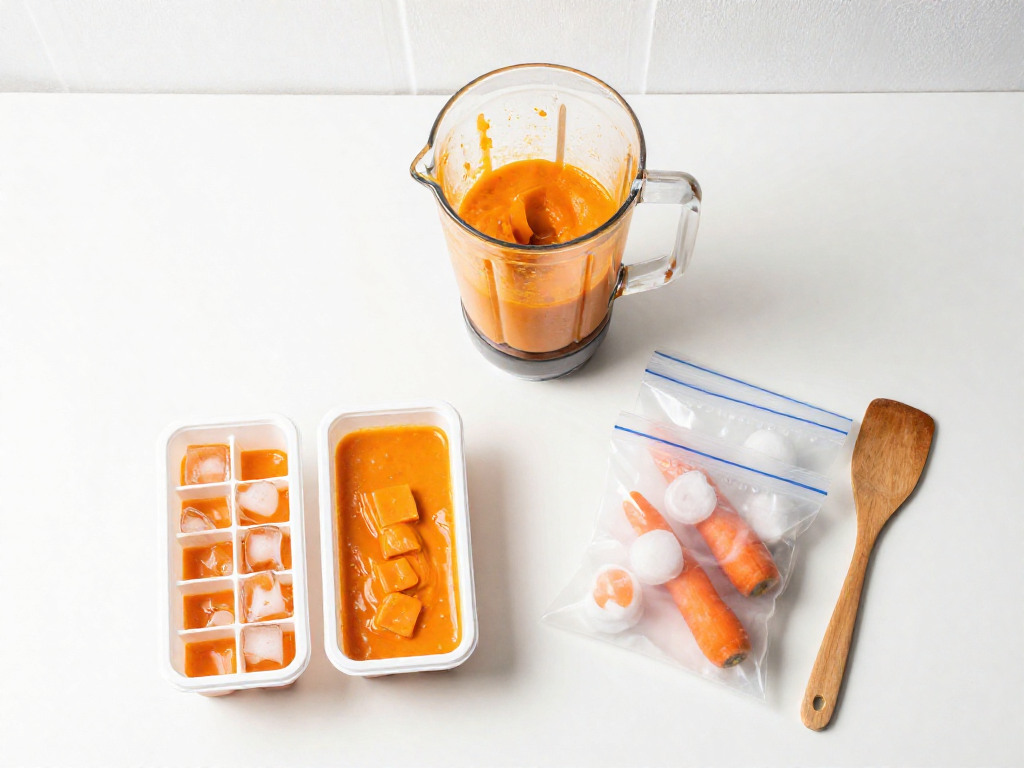
Stealth Health: Hidden Veggie Batch Recipes That Kids Don't Notice
How can I sneak vegetables into batch-cooked meals without detection?
Jul 31, 2026 · 5 min read

Kid-Approved Freezer Stash: 15 Meals That Freeze Perfectly
Discover 15 kid-approved freezer meals that freeze perfectly, with tips to avoid mushiness and boost flavor. Perfect for busy parents.
Jul 31, 2026 · 11 min read
When Kids Reject Your Batch: Troubleshooting Meal Refusal
What do I do when my child won't eat the meal I prepped?
Jul 31, 2026 · 7 min read