Spring Clean Your Pantry: A Batch-Prep Reset for Lighter Eating
How can I transition from winter comfort foods to lighter spring batch cooking?
On this page
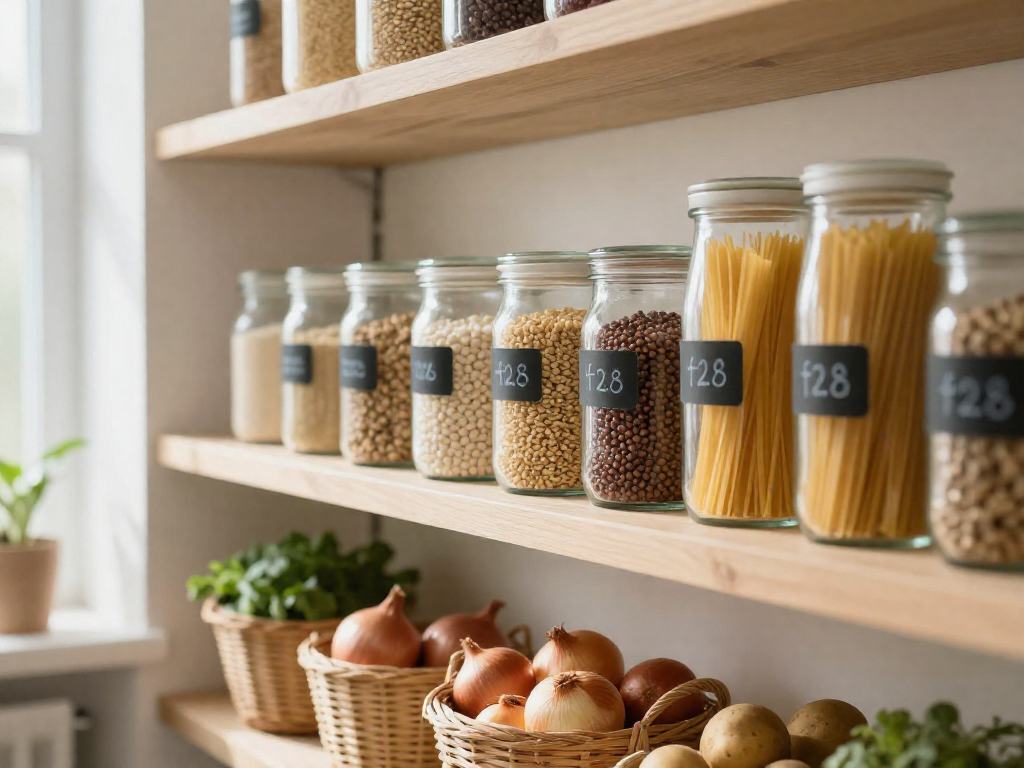
You open the pantry to make dinner and realize it's still full of heavy grains, canned soups, and root veg—but you're craving something lighter. As a busy cook, you don’t want to waste food or time. This guide helps you transition with a systematic pantry clean-out and batch-prep reset, so you can eat fresh spring meals without starting from scratch.
Why Spring-Clean Your Pantry? (It’s Not Just About Tidying Up)
Transitioning from winter comfort foods to lighter spring batch cooking starts with a pantry reset that swaps heavy canned goods and root vegetables for bright, fresh staples. By deliberately using up lingering winter items, you prevent waste and free up cash, then restock with legumes, quick grains, and lively condiments that keep your weekly batch prep feeling effortless. The real win? Walking into a pantry that reflects how you want to eat now—light, efficient, and ready for the season ahead—slashes decision fatigue and makes it easy to stick with those lighter eating goals.
The Winter-to-Spring Food Inventory: Categorize and Conquer
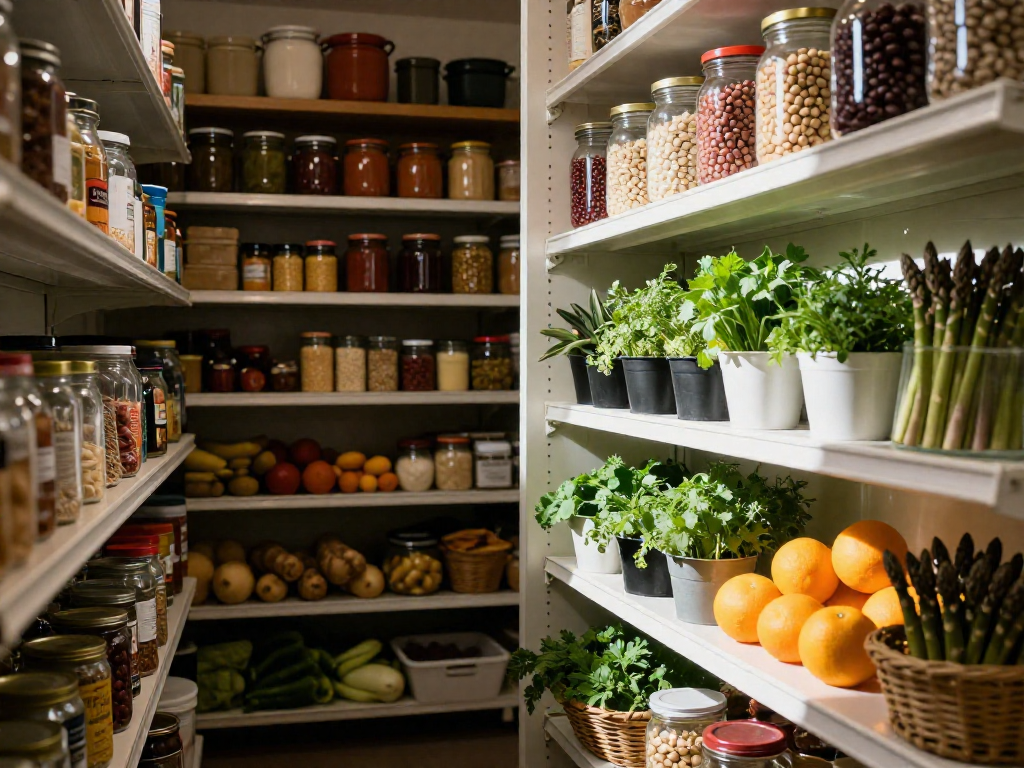
Pull everything out of the pantry and freezer—every half-used bag, every can, every overlooked root vegetable. You’re not deciding what to toss; you’re deciding what gets a spring makeover. Sort into three piles by asking: does this ingredient need a lighter partner, a fresher preparation, or a new form?
Pile one: hearty grains and legumes. That open sack of farro, the lentils, the chickpeas—they’re not the problem. The problem is you’ve been cooking them into heavy braises. Instead, pair them with bright herbs, citrus zest, and crisp raw vegetables. Cook a big batch of farro or lentils as your base, then turn it into lemon-herb grain bowls with snap peas and radishes, or toss chickpeas with mint, parsley, and a generous squeeze of orange. These become the backbone of your spring batch lunches, no extra cooking steps required.
Pile two: winter root vegetables. Sweet potatoes, carrots, beets, parsnips—they can feel leaden when mashed or stewed, but roasted at high heat they caramelize into something entirely new. Toss them with olive oil, salt, and cumin or coriander, roast until edges crisp, then top with a big dollop of yogurt, a scatter of dill, and maybe a dusting of sumac. Roast two sheet pans at once and you have a vibrant side for the week. The yogurt and dill do the heavy lifting of making winter produce taste like spring.
Pile three: frozen vegetables and proteins. That bag of peas, spinach, or corn, the chicken thighs or shrimp from December—these get blitzed into light soups or warm-weather grain bowls. A frozen spinach and potato soup with a swirl of yogurt is quick and surprising; defrosted peas and shrimp toss beautifully with orzo and lemon. Use up these odds and ends in a single batch-cook session: blend a soup, build a bowl, and you’ve reclaimed freezer space for the season ahead.
The oddballs: half-used flour, sugar, and long-forgotten baking mixes. If you won’t realistically bake a spring dessert before humidity sets in, schedule one weekend project—lemon bars, a rhubarb crisp—or split the bag with a neighbor. Don’t let them linger and turn stale. The goal is active use, not guilt storage.
The non-obvious truth: sweet potatoes, lentils, barley, and their wintery kin aren’t the enemy. They just need a sunshine makeover. A lemon vinaigrette, a handful of herbs, or a quick roast can transform a heavy ingredient into a light, crisp meal. Sort the pantry with this mindset and you’ll see not a bunch of burdens but a set of building blocks ready for spring.
Batch-Prep Your Spring Staples: 5 Light Components for Faster Meals
Set aside 90 minutes on a Sunday, and you’ll have five light, spring-ready components that turn into a dozen different meals without a second thought. This batch session is designed for speed and minimal cleanup—each piece gets stashed separately so you can mix, match, and eat in under ten minutes all week.
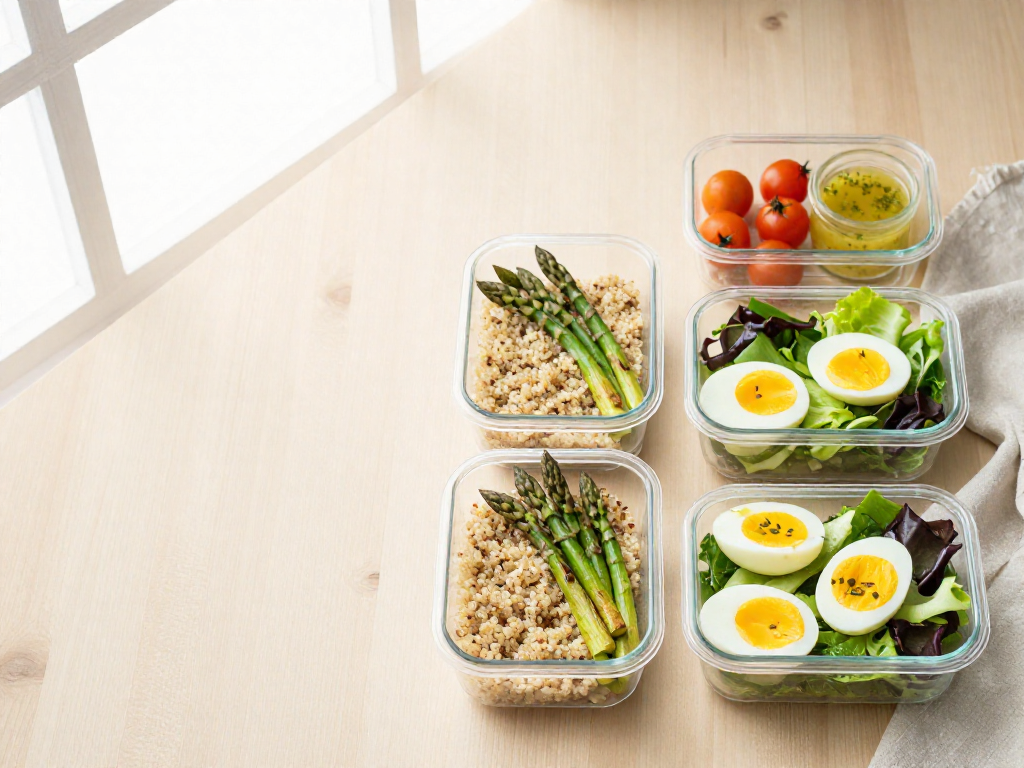
Start with a bright grain base: cook a large pot of quinoa or farro according to the package directions, then stir in the zest of one lemon and a drizzle of olive oil while it’s still warm. Cool completely, portion into airtight containers, and refrigerate. Next, blend a fistful of soft herbs—basil, parsley, chives—with ½ cup olive oil, the juice of a lemon, a small garlic clove, and a pinch of salt. This vibrant herb vinaigrette lives in a jar in the fridge and doubles as a sauce for everything from grain bowls to grilled chicken later in the week.
While the grain cooks, roast a sheet pan of spring vegetables. Toss asparagus spears and sugar snap peas with olive oil, salt, and pepper, then spread in a single layer. Roast at 425°F until just tender and lightly charred, 10–12 minutes. Let them cool before packing away—roasted veggies keep their bite best when stored cold and added straight to salads without reheating.
For quick protein, hard-boil six eggs (cover with cold water, bring to a boil, then cover and let sit off heat for 10 minutes before an ice bath). Keep them in the fridge unpeeled; they hold up great for five days. Marinated tofu is just as easy: press a block of firm tofu, slice into planks, and soak in a mix of soy sauce, rice vinegar, and a drop of sesame oil. Both options grab fast whenever you need a protein hit.
Finally, wash and thoroughly dry a big bag of spinach or arugula. Pack it loosely in containers lined with a dry paper towel to wick away condensation—this bit of moisture control is what keeps greens crisp for days instead of turning slimy. Stash all components separately in airtight containers, with the dressing in its own jar.
Come dinner, combine whatever you’re in the mood for: a base of quinoa, a handful of greens, a scoop of roasted veggies, an egg or tofu, and a spoonful of dressing. That’s a grain bowl in under three minutes. Or wrap everything in a tortilla, or toss the roasted vegetables and greens into a quick frittata. Each piece was prepped once; now you’re just assembling.
Your 7-Day Spring Reset Meal Template (No Throwaway Recipes)
With your batch-prepped quinoa, roasted vegetables, and bright herb dressing waiting in the fridge, pulling together a week of lighter meals becomes a matter of assembly, not cooking from scratch. The goal isn't a rigid menu—it's a rhythm that keeps you out of the drive-through and excited about what's on your plate.
Start Monday with a quinoa bowl: warm up a scoop of grains, pile on roasted asparagus and cherry tomatoes, top with a soft-boiled egg, and drizzle the dressing over everything. By Wednesday, turn the leftover roast veg into a big-ass salad—toss with crisp greens, flaked tuna from your newly rotated pantry stash, and a handful of toasted nuts. Friday's grain bowl gets a new twist: add sliced avocado, a squeeze of lime, and a sprinkle of chili flakes to wake up the same components.
Weekend brunch is your cleanout chance. Whisk six eggs, pour over any remaining roasted vegetables in a buttered skillet, and finish under the broiler. That frittata takes five minutes of hands-on time and uses up every last bit of prep.
To stretch meals further, double your batch of quinoa or farro. It slips into wraps with hummus, bulks up cold soups, or becomes a quick side for grilled protein later in the week. If you uncovered some winter-worn cans of diced tomatoes or butternut squash during your pantry reset, stir them into the grains or roast them alongside the spring veg—no waste, no extra effort.
Maintaining the Spring Pantry: A 15-Minute Weekly Refresh
Set a 15-minute Sunday check-in to keep the pantry in spring mode. Restock tender herbs and salad greens that wilt fast, and scan for anything nudging its use-by date. Use those priorities to shape the week’s meals.
Rotate a couple of your batch components so nothing feels monotonous: if last week leaned on quinoa and a basic vinaigrette, swap in couscous and a miso-ginger dressing. And stick to a firm rule—heavy, cold-weather ingredients (dried beans, root veg, braising cuts) only enter the cart if you have a concrete plan to use them within seven days. That alone stops the pantry from backsliding.
When you see the first local berries, it’s the signal to start folding in summer produce and lighter proteins. Until then, this small weekly habit keeps your lighter eating effortless.
FAQ
How do I avoid wasting food when switching to lighter meals?
Use a transition week to blend your existing pantry items into lighter dishes. Incorporate leftover heavy grains or root vegetables into hearty salads, and turn winter proteins into cold wraps or topping for greens. Freeze what you can’t use quickly, like soups or sauces, in single-serving portions, and then shop only for the fresh, perishable ingredients you can eat within days to prevent spoilage.
Can I still batch cook in spring when I want fresh salads?
Yes, batch the components rather than the final dishes. Cook a big batch of grains, roast seasonal vegetables, and grill or poach proteins to store separately. Prep dressings and wash greens ahead of time. Each day, build fresh salads or bowls by combining these prepped ingredients, so you enjoy lightness without daily cooking from scratch.
What are essential spring pantry staples for batch cooks?
Light grains like quinoa and bulgur, canned beans, broths, vinegars, and citrus. Keep nuts and seeds toasted for quick crunch, and stock olive oil and a variety of acids for bright vinaigrettes. These staples let you quickly turn any fresh produce into a main meal without heaviness.
How do I store prepped fresh ingredients longer?
Control moisture and air exposure with airtight storage. Dry washed greens thoroughly and pack them in containers lined with a paper towel to absorb excess water. Store fresh herbs like basil upright in a jar of water loosely covered, and keep cut vegetables in sealed containers with a dry paper towel. Refrigerate everything promptly and use within a few days for best quality.
See also
- Winter Batch Cooking for Busy Weeks
- The Ultimate Guide to Weekly Meal Prepping
- 5 Quick Grain Salads for Warm Weather
- How to Build a Batch-Cooking Pantry from Scratch
Related articles
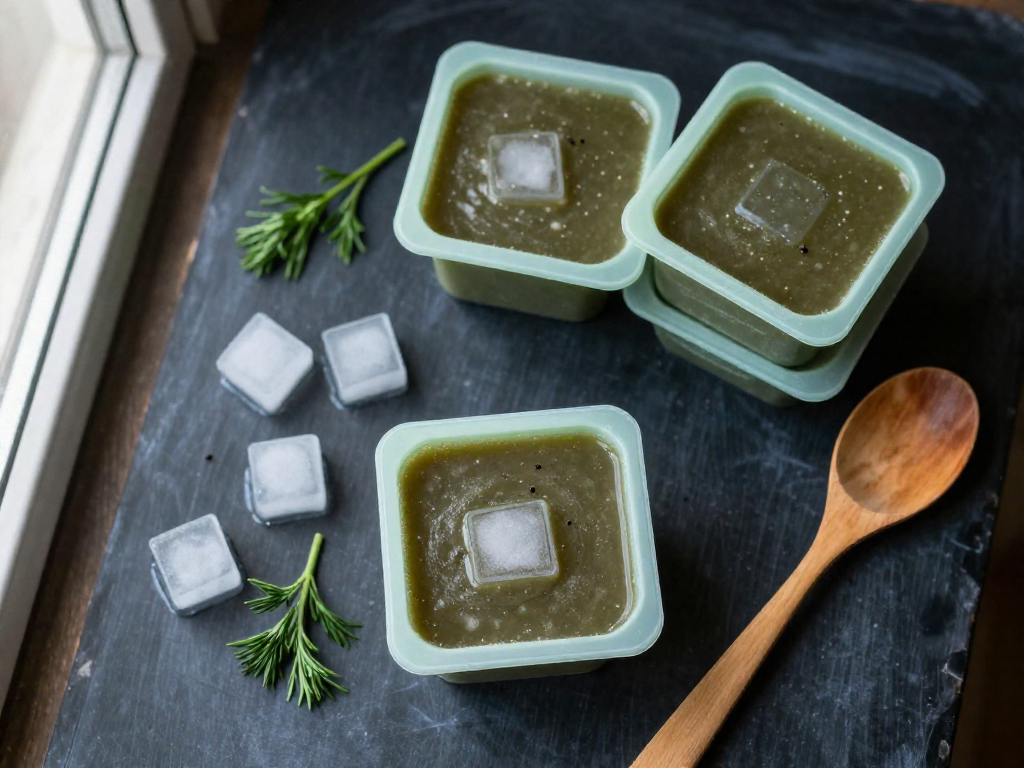
Winter Warmer: Batch-Cooking Soups and Stews for a Month
How do I batch cook and freeze a variety of soups and stews for winter?
Jul 31, 2026 · 7 min read

Seasonal Chore Batching: Spring Cleaning and Fall Yard Work Templates
How can I apply batching techniques to deep seasonal chores?
Jul 31, 2026 · 8 min read
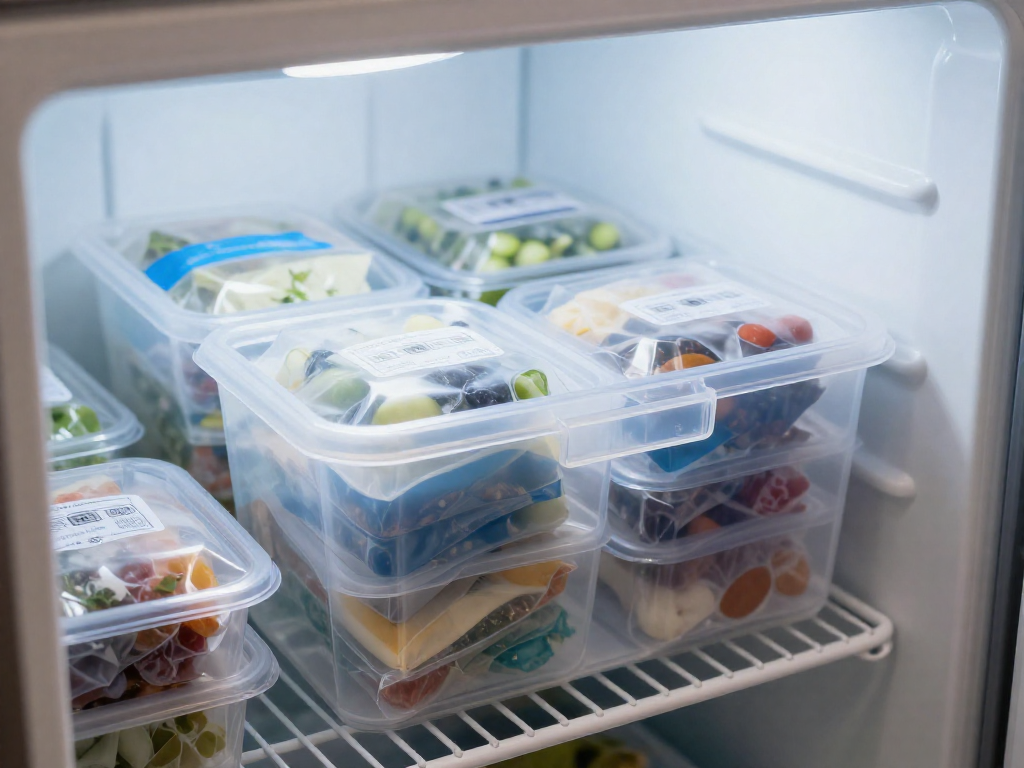
The Emergency Meal Stash: A Seasonal 'Oh Crap' Kit for Busy Weeks
How do I create a stash of emergency meals for inevitable hectic times?
Jul 31, 2026 · 5 min read