When Your Meal Prep Goes Bad: Troubleshooting Spoiled Food and Mismanaged Portions
What are the signs that my meal prep system is failing, and how do I fix it?
On this page
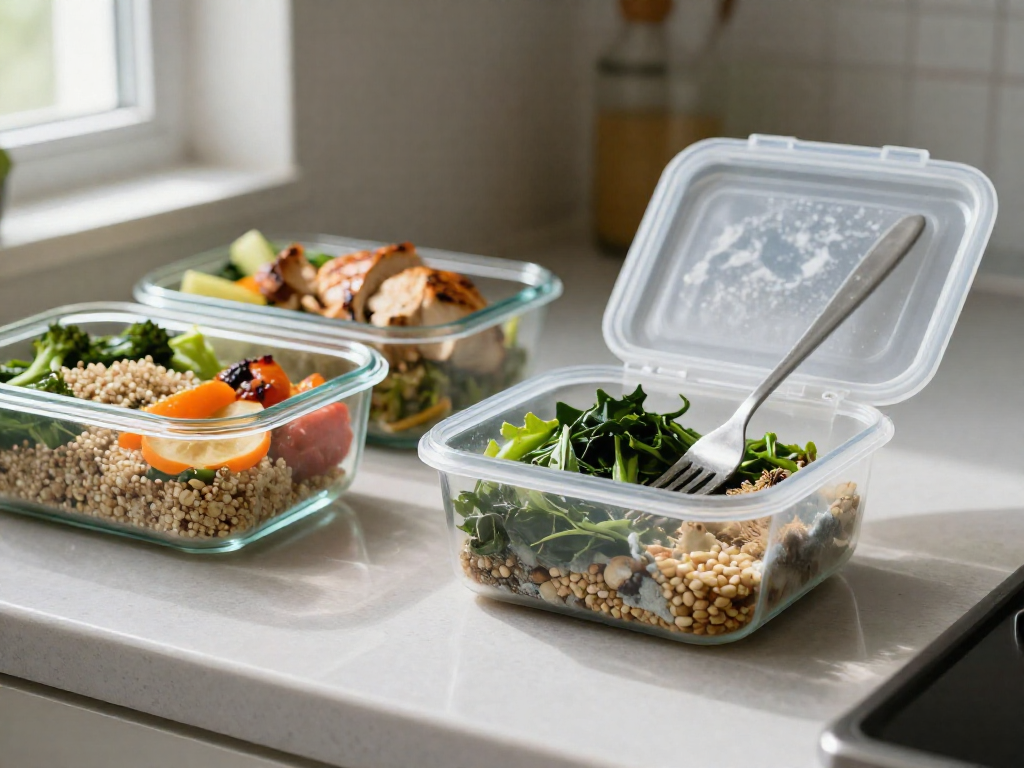
You opened the fridge on Wednesday and faced a cascade of forgotten containers—meals nobody wanted, textures that turned, and that sinking feeling of wasted effort. Your meal prep system isn't just breaking; it's actively working against you. Here's how to diagnose the exact failure point and rebuild a routine that actually lasts the week.
Red Flags: When Your Meal Prep Routine Starts to Crumble
Your meal prep system is failing when you’re throwing out more food than you’re eating, and your family is consistently dodging your prepped meals. The fix starts with catching the warning signs before another Sunday goes to waste.
If you’re finding mystery containers shoved to the back of the fridge by Tuesday, that’s not clutter—it’s a signal your portions or recipes aren’t matching real demand. When dinner time becomes a scavenger hunt that ends in takeout, even though the fridge is packed, your system is creating decision fatigue instead of solving it. And if your partner or kids are quietly opting for cereal over the meals you prepped, it’s time to stop blaming the recipes and start looking at variety, texture, and temperature preferences.
The most objective red flag? A weekly ritual of scraping spoiled food into the trash. When that pattern holds, your batch sizes, storage methods, or consumption schedule are fundamentally misaligned with your household’s rhythm.
The Hidden Culprit: Portion Creep and How It Sabotages Your Week
If your Sunday meal prep reliably ends in a fridge graveyard by Thursday, portion creep is the silent culprit. It’s not that you’re a bad planner — it’s that your batch-cooking brain is wired for “just in case” instead of what your household actually eats. You fill every container to the brim, add an extra serving “because we might be hungrier,” and suddenly you’ve cooked for a small army. The result: wasted food, wasted money, and a nagging sense that the system is broken.
Portion creep happens when you cook to the container, not to the appetite. You scoop a ladle into a quart deli cup and call it a serving, ignoring that your kid eats half that and your spouse often grabs lunch out. Over a week, that surplus piles up. The fix isn’t more willpower — it’s a two-week audit that turns vague guilt into usable numbers. Here’s the simplest method: for two full weeks, weigh or visually record every main dish you prep, then note exactly how much comes back uneaten. You don’t need a lab notebook. A sticky note on the fridge with “Chicken & rice: 4 cups cooked → 1.5 cups left” is plenty. At the end, you’ll see a pattern. Most families discover they’re over-prepping by a third or more — enough to feed another person.
Once you’ve got your data, slam the brakes on giant batches. The core fix is a template that sounds stingy but isn’t: prep only 3–4 days’ worth of mains per person. Yes, that means fewer fully composed meals in the fridge. But you pair them with a freezer bank of “anytime” components — cooked grains, plain shredded chicken, or frozen vegetable medleys — that can become a quick bowl or stir-fry without needing a full recipe day. This way, you’re never stuck without backup, but you’re also not committing Monday-morning food to a Friday death sentence.
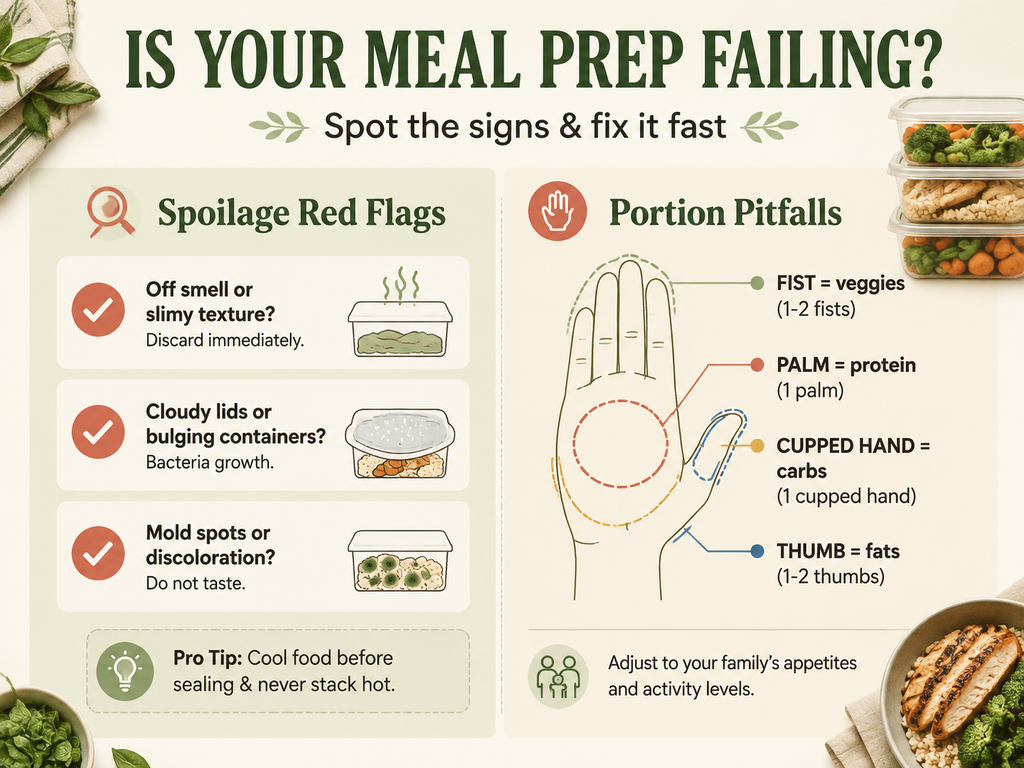
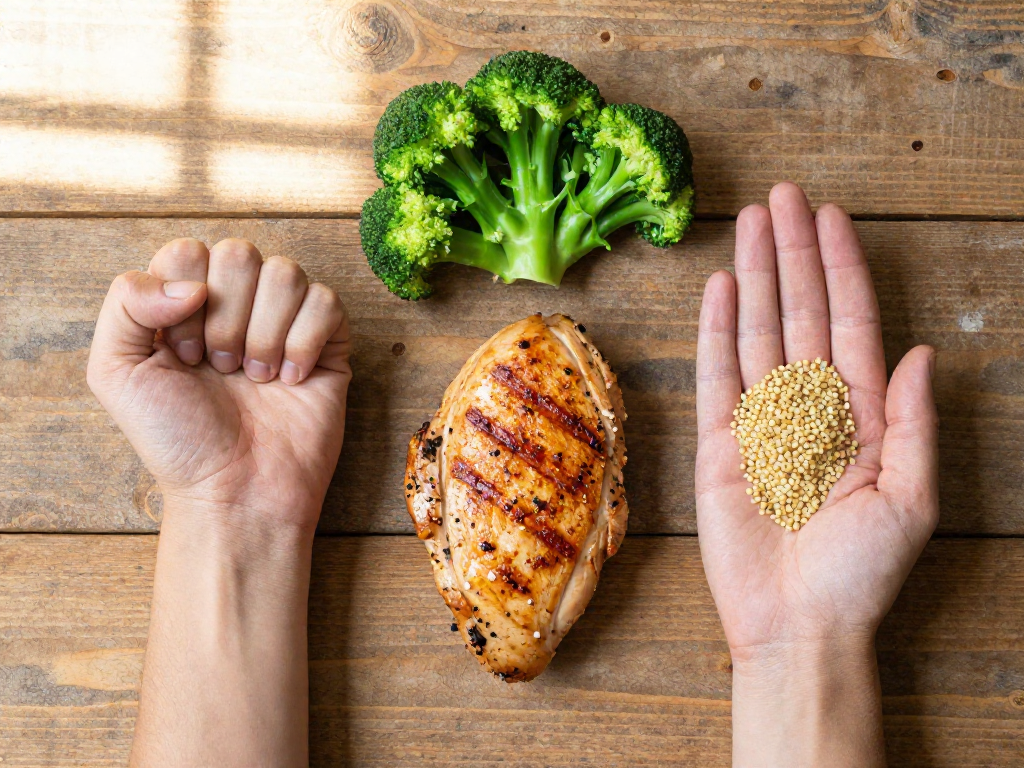
Portioning itself gets a lot easier if you ditch the scale for family-style meals. Calorie counting is a recipe for burnout, and no one wants to weigh every serving of spaghetti. Use visual guides instead: a clenched fist is roughly 1 cup, good for cooked grains or stews; a palm-sized piece of protein equals about 3 ounces. When you pack containers, stack visuals — a fist of rice, a palm of meat, a thumbs-up of sauce — and stop. This is accurate enough for batch cooking and fast enough that you’ll actually do it.
The payoff is immediate. You’ll open the fridge midweek and see clean, single-serving containers, not half-spoiled tubs you’re afraid to touch. And when someone is hungrier, you pull a backup grain from the freezer rather than cooking twice as much Sunday. Portion creep isn’t about being skimpy; it’s about trusting what your audit told you: your family eats less than you think, and they prefer fresh food to stale leftovers.
Storage Mistakes That Speed Up Spoilage
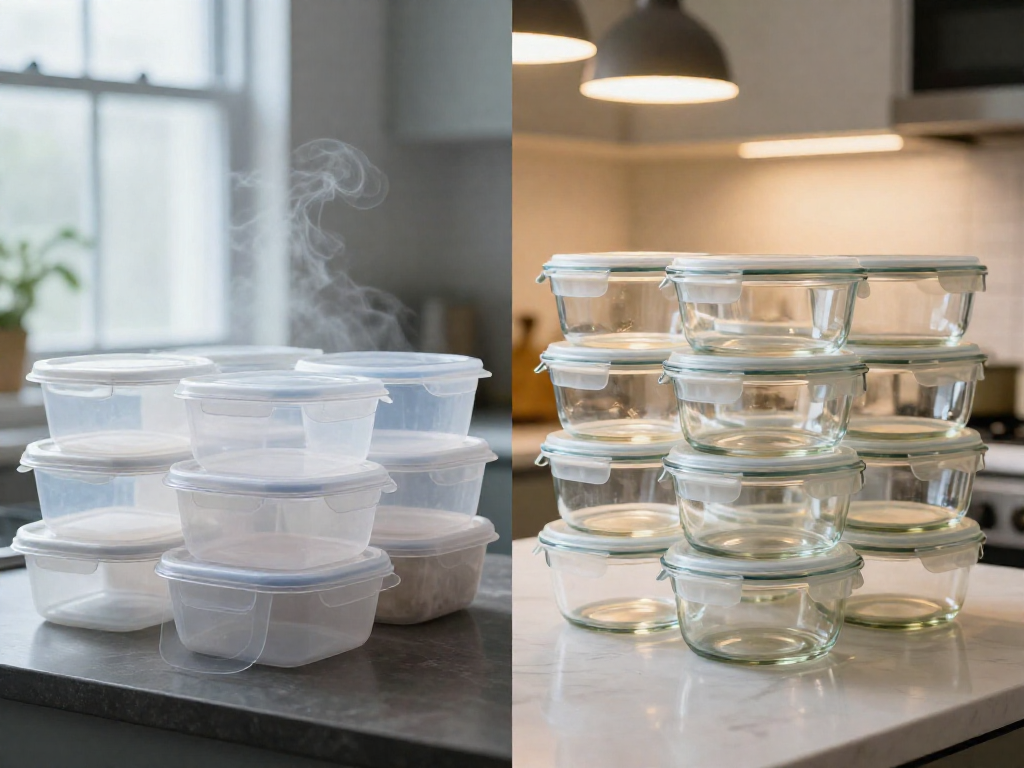
Even when your food is technically safe, a few missteps in storage can wreck texture and hurry spoilage. The biggest offender? Stacking still-warm containers in the fridge. That trapped steam turns into a humidity trap, leaving your roasted veggies soggy and your grains sticky instead of fluffy. Always let food cool until it stops steaming before you lid and stack.
Next, mismatched containers and ill-fitting lids are silent saboteurs. If air sneaks in, your hard-earned meal prep dries out or picks up off-flavors fast. Stick with a uniform set of glass or BPA-free plastic containers with locking, airtight seals—no more missing lids from the cupboard graveyard.
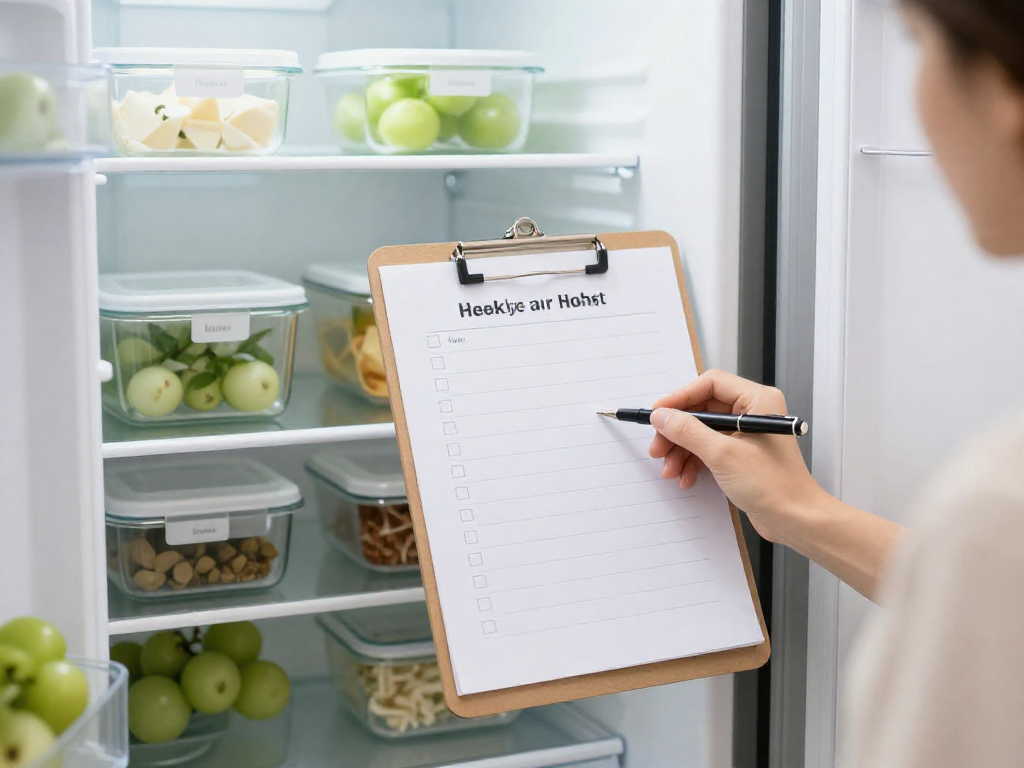
Where you place food inside the fridge matters more than most people think. The back is colder; the door warms with every open-and-close. Keep dairy and eggs on the shelf where the temperature stays steady, and proteins in the coldest zone, which can buy you an extra day or two of freshness. A quick midweek check—a sniff, a taste, a look at texture—lets you catch anything on the edge before it's beyond saving, so you can repurpose those softening herbs into a quick pesto or turn slightly dry chicken into a saucy wrap.
For the freezer, small steps go a long way. Shock-chill cooked grains in an ice bath before freezing to lock in moisture without turning them to mush. When packing delicate items like berries or stuffed pasta, press out air manually rather than using a vacuum pump that crushes them. Label everything, because frozen mystery meals rarely get eaten.
Boredom Is the Silent Meal Prep Killer
Meal fatigue isn’t about bland chicken—it’s about predictability. Your brain craves novelty, and when Tuesday’s lunch tastes exactly like Monday’s, motivation to stick with the system evaporates. The fix isn’t more recipes; it’s a structure that bakes in variety without adding daily decisions.
The rotation matrix solves this mechanically. Prep a base set of three proteins, two grains, and two sauces each week—say, shredded chicken, ground beef, black beans, brown rice, quinoa, a tangy chimichurri, and a creamy tahini dressing. That small collection spins out at least five distinct meals: a chicken-and-rice bowl with chimichurri, a beef-and-bean taco kit, a cold quinoa salad with tahini, a quick stir-fry, or a stuffed sweet potato. You’re not inventing new dishes; you’re recombining building blocks. The novelty comes from the rearrangement, not from new cooking sessions.
Build a freezer bank of high-reward favorites. Keep two or three meals on hand that feel like a treat—think frozen lasagna portions, burritos you actually crave, or a rich curry you’d order out. When the matrix starts to feel stale, swap in one of these. It’s an emergency release valve, not a daily crutch. The psychological boost of pulling out a favorite on a rough Wednesday keeps you from quitting the whole plan.
Designate one weekly wildcard meal. This is your pressure release. Maybe it’s a meal you cook fresh on Saturday night, a takeout splurge, or something you’ve been eyeing on Instagram. It doesn’t have to be elaborate—just different. By channeling novelty into a single slot, you avoid the trap of scrambling to make every meal exciting. The rest of the week runs on the matrix, and that predictable rhythm is what makes the wildcard feel special.
Post the menu where everyone can see it. A simple weekly view on the fridge—just a grid listing the matrix combos and the wildcard—cuts decision fatigue for the whole family. No one asks “What’s for dinner?” because the answer is already staring them down. It also lets you see the variety at a glance, so you can spot if you’ve accidentally built a week of nothing but rice bowls. Adjust the matrix next time without overthinking.
Boredom kills meal prep because it masquerades as a flavor problem. Tackle it as a design problem instead: engineer rotation, freeze an escape hatch, and give yourself one sanctioned break each week.
Quick Resets for a Broken Meal Prep Week
When you open the fridge and the week’s prep has gone off the rails, don’t scrap everything—do a fast triage. Pull everything out, sniff and taste; any protein or cooked grain that’s borderline goes straight into the freezer to buy you a day or two. Those veggies that are past crisp but not spoiled? Toss them into a soup or frittata for tonight’s rescue dinner. If lunch portions got skipped today, repack tomorrow’s containers right now at half the usual size to match actual appetite. For the next cook, pick just two freezer-friendly items—like a tray of meatballs and a pot of chili—and stop there. The aim is to patch the holes, not rebuild the whole system. Resist the urge to cook a whole new batch; fill only the empty spots.
Building a Fail-Safe Meal Prep Template
A repeatable template stops the chaos before it starts. The backbone of our system is the 3-2-1 rule: 3 mains, 2 sides, 1 snack or treat for a family of four. Mains are your core proteins and heftier dishes (a sheet-pan chicken, a lentil curry, a baked pasta), sides are quick vegetables or grains, and the snack is the after-school grab or the evening nibble that keeps impulse buys at bay. This ratio keeps variety high without over-prepping — you won’t find yourself with five half-eaten mains and no greens by Wednesday. It’s lean, predictable, and adapts to any cuisine.
Labeling that actually works. Fancy stickers fail. Food residue, condensation, and the sheer chaos of a full fridge turn them into unreadable scraps. Use blue painter’s tape and a Sharpie. Write the day (Mon, Tue) and the contents in plain English — “Mon / Chicken Thighs + Root Veg” — not cryptic initials. Stick it on the lid’s edge so you can spot it without shuffling containers. This tiny habit eliminates the Thursday-morning sniff test.
The prep-day checklist in three steps:
- Cool everything completely before lidding. Trapped heat creates condensation, which accelerates spoilage and turns textures to mush. Give hot food 20-30 minutes on the counter (set a timer), then lid and fridge immediately. No overnight counter rests.
- Portion using the audit guide. Go back to the portion creep audit you ran earlier this week — those real numbers from your own fridge are your portioning truth. Split cooked food into those tested serving sizes right now, not when you’re packing lunches at 7 AM.
- Designate a single ‘this week’ shelf. Clear one eye-level shelf for all prepped items. Everything lives there, labeled and ready. When the shelf is empty on Friday night, you know the system worked. No hunting behind condiments.
Sunday’s 5-minute fridge reset. Before the next prep session, open the fridge with a trash bag in hand. Toss anything that’s past its prime (that forgotten half-tub of sour cream, the limp cilantro). Wipe one shelf quickly. This keeps the danger zone — the back corners where science experiments breed — from claiming your fresh prep. It also gives you a clear view of what you actually used, so next week’s template adjusts.
The lazy-week backup. Some weeks you’re burned out. Instead of quitting entirely, drop to the 2-main template: two simple mains (think a big pot of chili and a tray of roasted sausages) plus frozen vegetables. Steam-in-bag broccoli or peas count. This is your minimum viable prep — enough to avoid the takeout spiral without the mental load of a full session. It’s your permission slip to rest while still running the system.
When to Call It Quits: Accepting That Not Every Week Needs Full Prep
When Sunday rolls around and the thought of another marathon cooking session fills you with dread, that’s the meal-prep engine running on fumes. If your freezer is packed with meals no one wants to eat, or your family is pushing back against yet another round of reheated casseroles, you’re forcing a system that needs a break. Instead of white-knuckling through, declare a pantry week: deliberately prep just one or two simple dinners and lean hard into those frozen reserves you’ve been stockpiling. A graceful pivot is to cook a double batch of a single family favorite—it keeps the rhythm alive without the burnout. The goal isn’t a perfectly color-coded fridge; it’s fewer evening scrambles and more sanity.
FAQ
How can I tell if my meal prepped food is still safe to eat after a few days?
Check for off smells, visible mold, slimy textures, and any change in color or taste. Trust your senses—if it smells sour or feels tacky, toss it. Label containers with prep dates so you always know how long it’s been stored.
What should I do if my family refuses to eat the same meal more than twice in a week?
Build a mini-rotation of three core dishes per week, so each meal repeats only twice, then freeze surplus portions for later weeks. Prep larger batches of those three recipes, serve each twice, and freeze the remaining portions in single-serve containers. Over a few weeks, you’ll have a freezer stash with enough variety to avoid burnout.
How do I stop over-portioning without weighing every ingredient?
Use consistent visual cues: one cupped handful of cooked grains per person, a deck-of-cards-sized protein portion, and vegetable halves that fit a small bowl. Keep a “leftover tracker” on the fridge to note which meals consistently had too much, then cut back slightly next time.
What are the best containers to prevent spoilage in the fridge for 4-5 days?
Use airtight glass containers with silicone seals; they don’t retain odors and cool food faster. Choose containers with snap-lock lids, and ensure food is cooled before sealing to prevent condensation. Rectangular shapes stack efficiently, and glass lets you see contents at a glance.
Is it okay to meal prep only 3 days at a time and cook fresh for the rest?
Absolutely, a 3-day prep cycle works perfectly if that’s what keeps your household eating reliably. Prep on Sunday for Monday–Wednesday, then cook a quick batch Thursday night for the remaining days. This reduces the risk of spoilage and frees up weekend time.
See also
- The Ultimate Freezer Meal Prep Guide for Beginners
- Best Airtight Meal Prep Containers for Busy Families
- How to Build a 4-Week Rotating Meal Plan That Actually Works
- 5-Ingredient Batch Cooking: Fast Templates for Exhausted Weeks
- Sunday Reset: Cleaning and Meal Prep in Under 2 Hours
Related articles
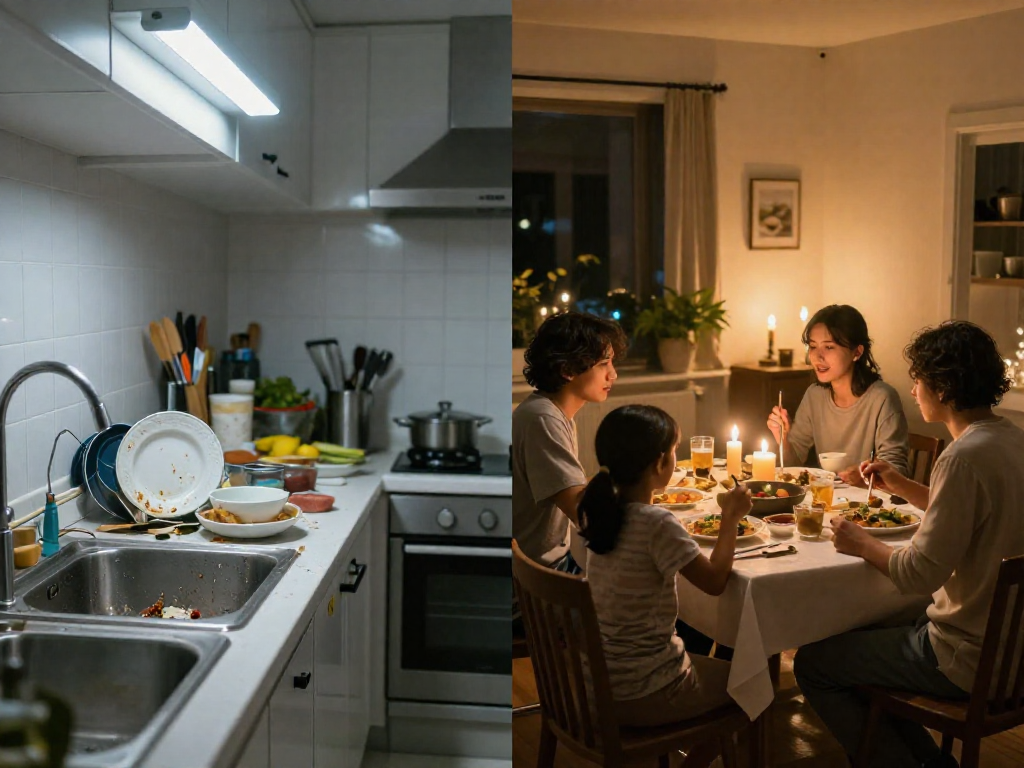
From Chaos to Calm: How Meal Prep Transformed Our Evenings
Discover the emotional and practical impact of consistent meal prep on family life—less stress, more connection, and calm evenings.
Jul 31, 2026 · 5 min read
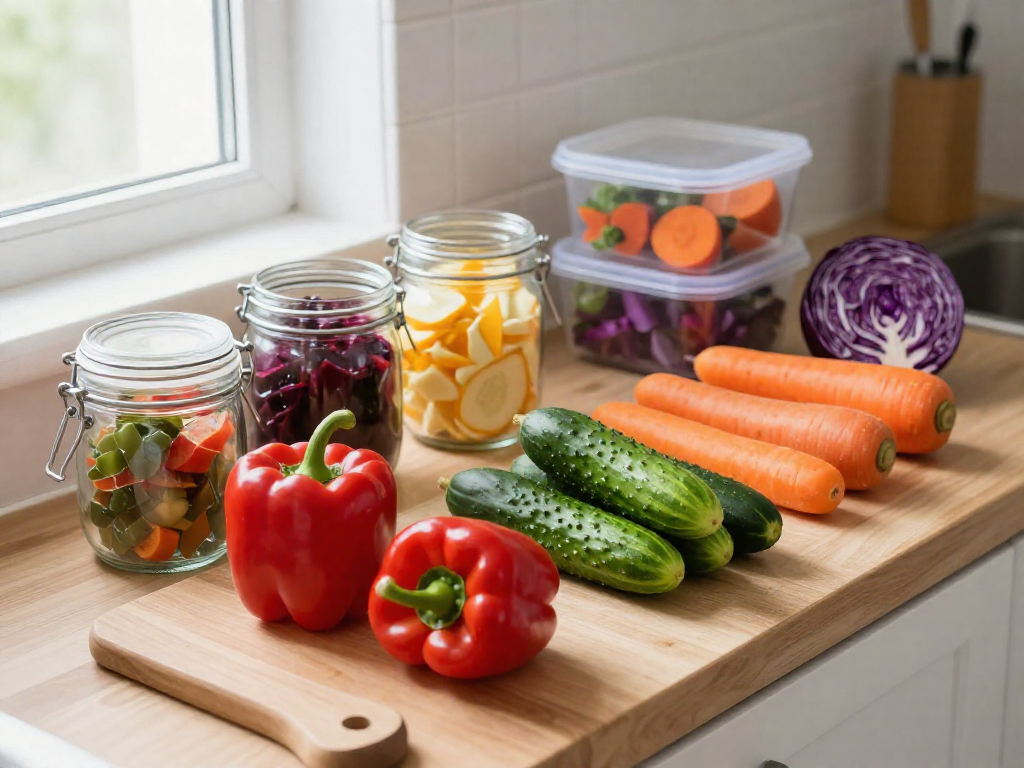
The No-Cook Weekend: How to Prep Without Turning on the Oven
How can I meal prep in summer or without heating up the kitchen?
Jul 31, 2026 · 7 min read
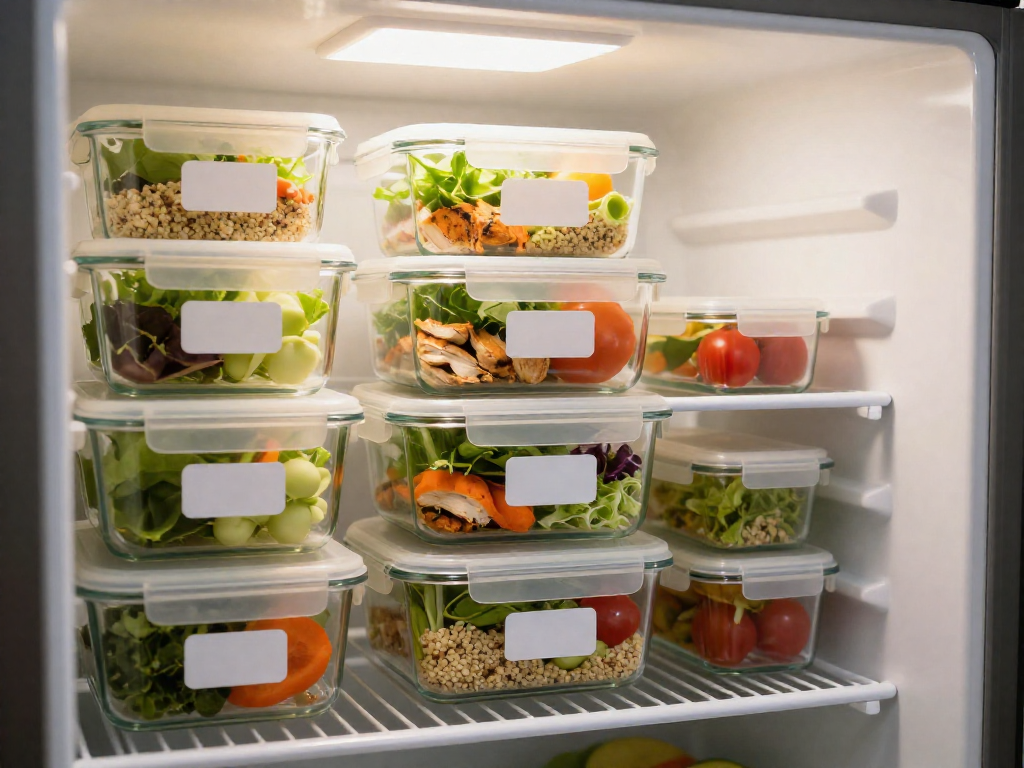
Meal Prep Containers: A Complete Guide for Dual-Income Families
What are the best containers for family meal prep, considering portions, storage, and reheating?
Jul 31, 2026 · 8 min read